
Accelerated Healing Times
Faster wound closure and reduced recovery periods.
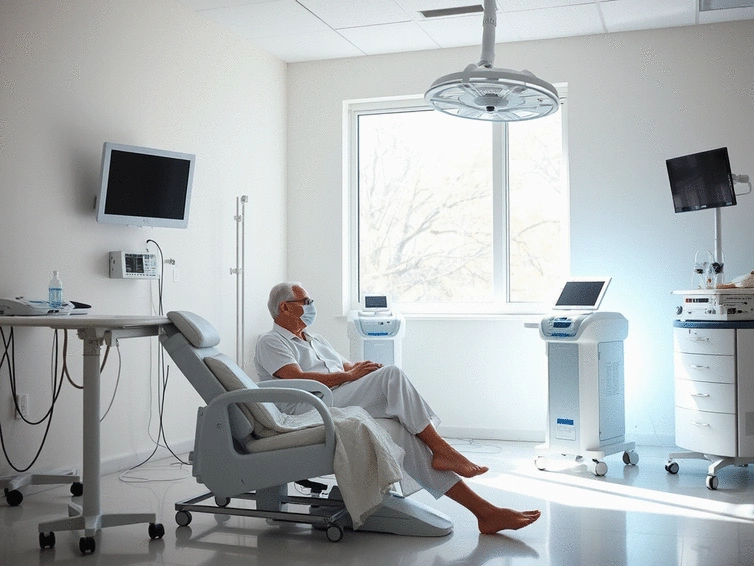
Curious about how to enhance your post-surgical recovery? Low-Level Laser Therapy (LLLT) is emerging as a revolutionary non-invasive treatment that supports healing and eases discomfort. This article delves deep into the science behind LLLT and its numerous benefits, offering not just insights but also real patient experiences that demonstrate its efficacy.
Low-Level Laser Therapy (LLLT) offers several crucial advantages in post-surgical recovery, enhancing healing and patient comfort. Below are the primary benefits and their impact.
Faster wound closure and reduced recovery periods.
Effective reduction of post-operative pain for greater comfort.
Addresses swelling and facilitates smoother recovery.
Promotes better tissue regeneration for less noticeable scars.
Reduced medication needs and shorter recovery times can lower overall costs.
After surgery, the journey to recovery can often feel daunting. But what if I told you there’s a powerful tool that can make this process smoother? Low-Level Laser Therapy (LLLT) is gaining traction as a non-invasive option to support healing. This treatment harnesses specific wavelengths of light to stimulate cellular activity, making it an exciting addition to post-surgical care.
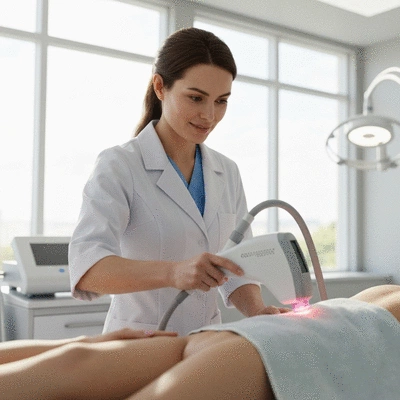
At Erchonia Laser, we’re passionate about sharing the transformative benefits of LLLT. Our aim is to help both healthcare professionals and patients understand how this innovative therapy can facilitate recovery after surgical procedures.
Low-Level Laser Therapy (LLLT) is a non-invasive treatment method that uses low-power lasers or light-emitting diodes (LEDs) to promote healing and reduce pain. Unlike traditional laser surgery, LLLT does not cut or destroy tissue; instead, it enhances the body’s natural healing processes.
This therapy can be particularly beneficial after surgical procedures, as it aids in reducing recovery time and improving overall outcomes.
Understanding how LLLT works can seem a bit complex, but let’s simplify it. Essentially, LLLT penetrates the skin and interacts with the cells, promoting various biological processes. By stimulating mitochondrial activity, LLLT enhances ATP (adenosine triphosphate) production, which is crucial for cellular energy.
Moreover, this process helps in reducing inflammation and pain, making it an ideal treatment for post-surgical recovery. Imagine it as giving your cells a gentle nudge to accelerate their healing capabilities. Doesn’t that sound encouraging?
At the heart of LLLT lies the concept of photobiomodulation, a term that describes how light energy interacts with biological tissues. By using specific wavelengths, LLLT promotes healing through a series of physiological responses.
These effects not only aid in recovery but also enhance the overall healing environment, making it a valuable addition to post-surgical protocols.
To maximize the benefits of Low-Level Laser Therapy (LLLT), consider scheduling your sessions consistently. Regular treatments can enhance the cumulative effects on healing and recovery, ensuring that your body receives the best support possible during your post-surgical journey.
Low-level laser therapy (LLLT) has emerged as a game-changer in post-surgical recovery. Its ability to enhance healing processes offers patients a more comfortable and efficient recovery journey. Let’s break down some of the most notable advantages of incorporating LLLT into recovery plans.
These benefits highlight how LLLT not only aids in recovery but also enhances overall patient satisfaction. By addressing multiple aspects of the healing process, LLLT stands out as a vital tool for both patients and healthcare providers.
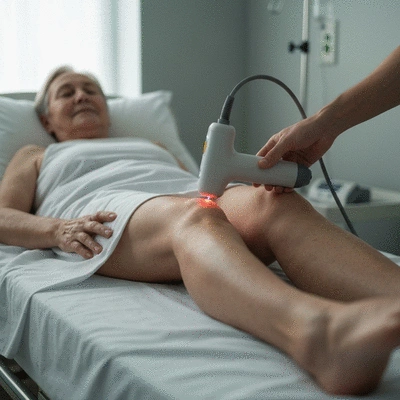
When considering LLLT for post-surgical recovery, it's essential to recognize its comprehensive benefits. Here's a quick recap of the key takeaways:
These key points serve as a foundation for understanding why LLLT is increasingly being recommended in recovery protocols. At Erchonia Laser, I am committed to sharing evidence-based insights to empower both patients and healthcare professionals in their healing journeys!
Nothing speaks louder than the voices of those who have experienced the benefits of LLLT firsthand. Here are some testimonials from patients who have incorporated this therapy into their recovery:
These testimonials affirm the positive impact LLLT can have on recovery experiences, highlighting its role in achieving effective outcomes. I encourage you to consider these real-life stories as you explore LLLT options for your healing journey!
As with any treatment, understanding the cost-effectiveness of LLLT is crucial. The benefits must be weighed against the investment in your recovery. Here’s what to consider:
Ultimately, while there may be an upfront cost associated with LLLT, many patients find it a worthy investment in their health and recovery success. At Erchonia Laser, we believe in empowering patients with knowledge to make informed decisions about their healing options!
LLLT, or Low-Level Laser Therapy, is a non-invasive treatment that uses low-power lasers or LEDs to stimulate cellular activity. It aids post-surgical recovery by accelerating healing times, reducing pain and inflammation, and minimizing scarring without incisions or anesthesia.
No, LLLT is generally pain-free. Patients typically experience little to no discomfort during treatment sessions, which usually last between 10-30 minutes.
LLLT works by stimulating mitochondrial activity within cells, increasing ATP production for enhanced cellular energy. This process helps to reduce inflammation and pain directly at the cellular level, promoting faster and more comfortable healing.
Yes, LLLT promotes better tissue regeneration. By encouraging the growth of new cells and improving blood flow to the treated area, it can lead to less noticeable scars after surgery.
Many patients find LLLT to be cost-effective in the long run. It can reduce the need for pain medications and lead to shorter recovery times, potentially decreasing overall expenses related to follow-up visits and prolonged recovery periods, ultimately enhancing the quality of life.
Yes, numerous studies support the efficacy of LLLT in promoting healing and reducing pain. For example, research published in PMC NCBI highlights the benefits of photobiomodulation, the core mechanism of LLLT, in various medical applications.
Here is a quick recap of the important points discussed in the article:
Erchonia Laser Research: New Insights
Curious about how light can heal? Low-level laser therapy (LLLT) is emerging as a groundbreaking, no
Erchonia Laser Therapy and Mental Health

Curious about how light can illuminate not just your path, but also your mental well-being? Low-leve
Emerging Trends in Laser Therapy
How prepared are you for the future of healthcare? In an era where technology meets medicine, unders
Erchonia Laser Research: New Insights
Erchonia Laser Therapy and Mental Health
Emerging Trends in Laser Therapy
Myths About Low-Level Laser Therapy
Understanding Erchonia's Dual-Wavelength Lasers