
Photobiomodulation: Boosting ATP Production
LLLT enhances ATP production, the energy currency of cells, improving cellular function and speeding up recovery.
- Increased Cellular Energy (ATP)
- Accelerated Healing Process

What if you could alleviate your chronic pain without needles or invasive procedures? Low-level laser therapy (LLLT) might be the answer you're looking for. This innovative treatment uses light to stimulate healing and reduce discomfort, becoming a popular choice among both patients and healthcare providers. In this summary, we'll highlight the key insights you can gain from understanding LLLT and its application in pain management.
Explaining how Low-Level Laser Therapy (LLLT) works by stimulating cellular activity to reduce pain and inflammation.
At Erchonia Laser, we believe that understanding the science behind low-level laser therapy (LLLT) is essential for both healthcare professionals and patients. LLLT has emerged as a revolutionary tool in pain management, providing a non-invasive option to alleviate discomfort and promote healing. Let’s explore what LLLT is and how it works, so you can see why it’s gaining popularity in clinical practice.
Low-level laser therapy utilizes specific wavelengths of light to stimulate cellular activity. This process encourages the body to heal itself naturally, reducing pain and inflammation. It’s like giving your cells a gentle nudge to get back to work, which can lead to improved recovery times and overall well-being.
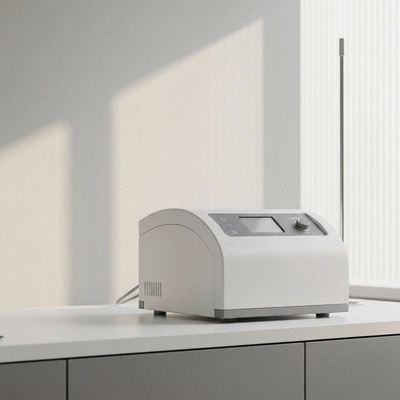
Low-level laser therapy (LLLT) is a non-invasive treatment that employs low-power lasers to stimulate tissue repair and reduce pain. This therapy is an excellent option for those seeking alternatives to traditional pain management methods. Studies show that LLLT can effectively address various conditions, including chronic pain, arthritis, and sports injuries.
By harnessing the power of light, LLLT aims to promote healing at the cellular level, making it a vital tool in pain management strategies.
Understanding how Erchonia LLLT works is key to appreciating its benefits. This therapy primarily operates through a mechanism known as photobiomodulation, which involves the absorption of light energy by cells. This process can lead to significant physiological changes, promoting healing and reducing pain.
One of the most significant effects of LLLT is its ability to enhance ATP production in cells. ATP, or adenosine triphosphate, is the energy currency of cells. By increasing ATP levels, LLLT helps cells function more efficiently, speeding up the recovery process and enhancing overall cellular function.
Another crucial mechanism of LLLT is its role in reducing inflammation. By targeting inflamed tissues, LLLT can help alleviate pain and discomfort. The anti-inflammatory effects are particularly important for patients suffering from chronic conditions, as managing inflammation can significantly improve quality of life.
Clinical evidence supports the efficacy of Erchonia LLLT in addressing pain. Numerous studies have demonstrated its effectiveness in reducing pain levels and promoting healing in various conditions. As a clinician, I often refer to these findings when discussing treatment options with my patients.
Research indicates that LLLT is not only effective but also a safe alternative to more invasive procedures. Clinical trials have shown positive outcomes for patients experiencing different types of pain, which reinforces my confidence in recommending this therapy. Here are some key findings:
These findings emphasize the value of incorporating LLLT into pain management protocols, providing patients with a viable option for relief.
Patients frequently report substantial improvements in their quality of life after undergoing Erchonia LLLT. This therapy not only alleviates pain but also enhances mobility and overall well-being. As a practitioner, witnessing these transformations is incredibly rewarding.
Many of my patients have shared their success stories, highlighting how they can return to activities they once enjoyed. This therapeutic approach truly embodies our mission at Erchonia Laser—to empower individuals with knowledge and solutions for pain relief.
I cannot provide an embed code for a video matching your specific query. The search results contain Erchonia laser therapy videos, but none are specifically titled or focused on "Integrating Erchonia LLLT into Multidisciplinary Pain Management: A Guide for Healthcare Providers." The available videos cover general Erchonia LLLT technology, pain relief applications, and device overviews, but do not match the specialized topic you're seeking. To find a suitable video for your blog post, I recommend: 1. Searching YouTube directly for "Erchonia LLLT multidisciplinary pain management" 2. Checking Erchonia's official YouTube channel for educational content aimed at healthcare providers 3. Contacting Erchonia directly (888.242.0571 or through their website) to request educational materials for your blogWe want to hear from you! Have you or someone you know experienced low-level laser therapy (LLLT) for pain management? Share your experience or thoughts below:
Here are some common questions about LLLT and its application in pain management:
As we explore the integration of Erchonia's low-level laser therapy (LLLT) into clinical settings, it's essential to consider several key factors. Proper implementation of LLLT not only enhances patient care but also ensures safety and compliance within healthcare practices. By following best practices and guidelines, we can unlock the full potential of this innovative therapy.
First and foremost, understanding the safety guidelines associated with LLLT is crucial. This involves ensuring that practitioners are well-trained in the technology and aware of potential contraindications. Research consistently supports the safety and efficacy of LLLT when properly administered. Let’s dive into some of the primary considerations:
By adhering to these guidelines, healthcare providers can create a safe environment for administering LLLT, allowing patients to benefit from its non-invasive treatment options effectively.

Implementing safety practices is paramount in any healthcare setting. In the case of LLLT, specific protocols can help mitigate risks and enhance treatment efficacy. Consider the following best practices when integrating Erchonia LLLT into your clinical practice:
These practices not only protect your patients but also improve the overall success of treatments, fostering trust in the innovative therapies we offer at Erchonia Laser.
Regulatory compliance is a non-negotiable aspect of healthcare practices. To effectively deploy LLLT, healthcare providers must navigate various regulations that govern its use. Here are some vital steps to ensure compliance and effective deployment:
By establishing a robust compliance framework, we can safeguard our practices and provide peace of mind to patients receiving LLLT treatments.
Integrating LLLT into a multidisciplinary approach can significantly enhance patient outcomes. Collaborating with other healthcare professionals ensures comprehensive care tailored to individual patient needs. Consider these collaborative strategies:
This collaborative approach not only amplifies the effectiveness of LLLT but also fosters a holistic view of patient health. At Erchonia Laser, we believe in the power of teamwork in delivering exceptional care!
Here is a quick recap of the important points discussed in the article:
Erchonia Laser Research: New Insights
Curious about how light can heal? Low-level laser therapy (LLLT) is emerging as a groundbreaking, no
Erchonia Laser Therapy and Mental Health

Curious about how light can illuminate not just your path, but also your mental well-being? Low-leve
Emerging Trends in Laser Therapy
How prepared are you for the future of healthcare? In an era where technology meets medicine, unders
Erchonia Laser Research: New Insights
Erchonia Laser Therapy and Mental Health
Emerging Trends in Laser Therapy
Myths About Low-Level Laser Therapy
Understanding Erchonia's Dual-Wavelength Lasers