
Efficacy & Intensity
In-Clinic:
Higher wattage, advanced tech. Concentrated treatments. Faster, more noticeable results. Professional guidance.
At-Home:
Lower intensity. Gradual changes over time. Effectiveness depends on consistency.
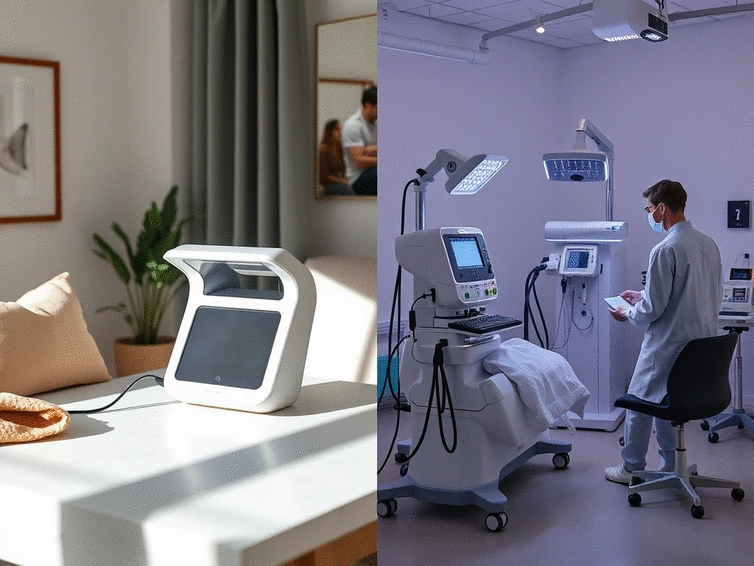
Are you considering low-level laser therapy (LLLT) for hair restoration or skin rejuvenation? Understanding the nuances between at-home and in-clinic treatments can significantly impact your results and overall experience. Let's explore the key differences and insights to help you make an informed choice!
An overview of the key differences and considerations when choosing between at-home and in-clinic Low-Level Laser Therapy (LLLT) treatments, focusing on efficacy, safety, convenience, and cost.
Higher wattage, advanced tech. Concentrated treatments. Faster, more noticeable results. Professional guidance.
Lower intensity. Gradual changes over time. Effectiveness depends on consistency.
Performed by trained professionals. Established safety protocols. Fewer risks from improper use.
Requires strict adherence to user instructions. Potential for improper use if guidelines are not followed.
Scheduled appointments. Expert oversight. Personalized treatment plans. Higher satisfaction from professional guidance.
Flexible treatment times. Requires self-discipline and consistency. Accessibility is key for users.
Ongoing costs per session. Quicker results may justify expense. Potential for insurance coverage with specific conditions.
One-time upfront investment. Long-term savings. Lower initial cost but requires commitment for ROI.
When it comes to low-level laser therapy (LLLT), many people are curious about the differences between at-home and in-clinic treatments. Understanding these options is crucial for making informed decisions about your health. In this section, we will dive into the definitions, applications, efficacy, and safety considerations of LLLT, helping you see how it can fit into your wellness journey.
Low-level laser therapy (LLLT) is a non-invasive treatment that uses specific wavelengths of light to stimulate cellular activity. It’s a game changer for various conditions, especially in the realms of hair restoration and skin rejuvenation. Many patients report significant improvements in hair growth and skin texture after undergoing LLLT.
As someone deeply involved in the field, I've seen firsthand how patients can benefit from these procedures. It’s like giving your cells a gentle nudge to heal and regenerate!
At the heart of LLLT is a process known as photobiomodulation. This process involves the absorption of light by cells, which triggers various biological responses. It’s fascinating to see how light can influence cellular behavior, promoting healing and reducing inflammation. Numerous studies, including those indexed on ClinicalTrials.gov, support these claims, showcasing LLLT’s effectiveness in clinical settings.
Photobiomodulation has applications beyond aesthetics, including pain management and recovery from injuries. Understanding this science helps us appreciate how LLLT works and why it’s gaining popularity.
One of the main differences between at-home and in-clinic LLLT treatments is the power and intensity of the devices used. In-clinic devices often feature higher wattage and advanced technology, offering more powerful treatments compared to at-home devices.
While at-home devices can still provide benefits, the intensity and frequency of professional treatments often lead to quicker and more noticeable results.
Clinical studies comparing at-home and in-clinic LLLT treatments reveal insightful findings. Research shows that patients receiving professional treatments typically experience faster results. For instance, a study highlighted that patients treated in-clinic noticed a remarkable improvement in hair density within just a few sessions, while at-home users reported gradual changes over time. The National Institutes of Health also provides extensive research on the efficacy of LLLT in various medical applications.
These outcomes emphasize the importance of treatment choice tailored to individual needs. If you're looking for quicker results, in-clinic sessions might be the best path!
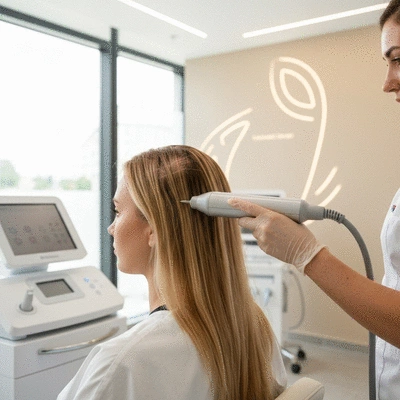
Whether you choose at-home devices or in-clinic options, adhering to appropriate treatment protocols and dosage guidelines is vital. In-clinic treatments often come with preset protocols designed by professionals, ensuring optimal outcomes.
By understanding these protocols, you can maximize the benefits of LLLT, regardless of where you choose to receive treatment!
Safety is a paramount concern when considering treatment options. Generally, both at-home and in-clinic LLLT treatments are considered safe. However, professional treatments are performed by trained practitioners, often leading to fewer risks associated with improper use. Physiopedia offers comprehensive information on the safety and applications of low-level laser therapy.
Taking the time to understand the safety profiles of each option can help alleviate concerns and ensure a positive treatment experience.
While LLLT is generally safe, some individuals may experience minor side effects, such as skin irritation or temporary discomfort. Recognizing these potential side effects can prepare you for what to expect, whether you're undergoing treatments at home or in a clinic.
Understanding these common reactions can help you navigate your LLLT journey with ease.
Some individuals may have specific contraindications for LLLT treatments. It's vital to discuss any pre-existing conditions or medications with a healthcare provider before starting treatment.
By prioritizing safety and understanding contraindications, you can make informed decisions about your LLLT options.
One of the biggest draws of at-home LLLT devices is their convenience. You can easily integrate them into your routine without the need for appointments. However, the effectiveness can vary based on how consistently you use the devices.
For those leading busy lives, at-home devices can be a practical option, provided you stay committed to your treatment schedule!
In-clinic treatments offer the advantage of expert oversight, where trained professionals ensure each session is tailored to your specific needs. This can enhance the accuracy of treatment and minimize errors that could arise with at-home devices.
By opting for in-clinic treatments, you can rest assured that your therapy is in capable hands!
User satisfaction can vary based on individual experiences. Many patients find that while at-home devices are accessible, the personalized care received during in-clinic treatments often leads to higher satisfaction levels.
Choosing the right option often depends on personal preferences, goals, and lifestyle—so it's essential to consider what matters most to you!
Cost considerations play a significant role in deciding between at-home and in-clinic LLLT treatments. At-home devices often have a one-time purchase cost, whereas professional sessions can accumulate over time.
Understanding your financial commitments can help you choose the path that aligns best with your budget!
When evaluating return on investment, consider the long-term benefits of each treatment option. At-home devices may save money over time, while in-clinic treatments could yield faster results that justify the cost.
By taking the time to evaluate the long-term value, you can make a decision that aligns with both your health and financial goals.
Finally, understanding health insurance coverage for LLLT treatments is vital. Many insurance plans have specific guidelines regarding coverage for LLLT, particularly for pain management or medical applications.
Being informed about your insurance options can help avoid unexpected expenses and support your treatment journey!
Here are some common questions about LLLT treatments:
To maximize the benefits of at-home LLLT devices, adherence to optimal usage guidelines is crucial. Ensure you follow the manufacturer’s instructions carefully for the best results.
By using your at-home devices correctly, you can enhance the effectiveness of your treatments!
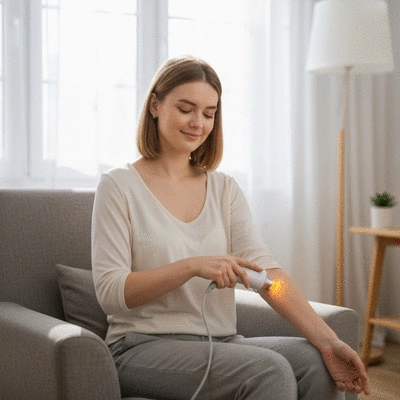
A hybrid approach that combines at-home and in-clinic treatments can often yield superior results. You might start with professional sessions to jumpstart your progress and then maintain results with at-home devices.
This dual approach can create a comprehensive treatment strategy tailored to your goals.
Finally, it’s essential to consider how you can tailor LLLT for specific conditions like hair regrowth or wound healing. Each application may require different settings and protocols for optimal effectiveness.
Understanding these nuances ensures that you receive the most effective treatment tailored to your unique needs!
To enhance the effectiveness of your LLLT treatments, consider integrating both at-home and in-clinic options. Start with professional sessions to jumpstart your results, then maintain progress with at-home devices for a comprehensive treatment approach. This hybrid strategy can provide the best of both worlds!
As we wrap up our exploration of low-level laser therapy (LLLT), it’s crucial to reflect on the key differences between at-home and in-clinic treatments. Each option has its unique strengths and weaknesses, which can greatly impact your overall experience and results. Understanding these nuances empowers you to make the best choice for your individual needs.
Here’s a quick summary of the major differences:
By weighing these factors, you can better understand which LLLT approach aligns with your health goals. Remember, whether you choose the convenience of at-home devices or the expertise of in-clinic treatments, the key is to stay informed and proactive about your health journey!
Ready to explore the world of low-level laser therapy further? At Erchonia Laser, I encourage you to take the next step towards personalized care. Whether you're seeking relief from chronic pain or looking to enhance your wellness routine, LLLT can be a valuable tool in your arsenal.
Don’t hesitate to schedule a consultation with us! Our team is dedicated to tailoring treatment plans that fit your specific needs and health conditions. Personalized guidance can make a significant difference in achieving optimal results.
Additionally, we offer a wealth of resources to help you make informed decisions about LLLT. From expert recommendations to detailed device reviews, we aim to provide you with the information you need to navigate your treatment options confidently.
Remember, I’m here to support you in your journey to wellness. Let’s harness the power of LLLT together and illuminate the path to better health!
Here is a quick recap of the important points discussed in the article:
Erchonia Laser Research: New Insights
Curious about how light can heal? Low-level laser therapy (LLLT) is emerging as a groundbreaking, no
Erchonia Laser Therapy and Mental Health
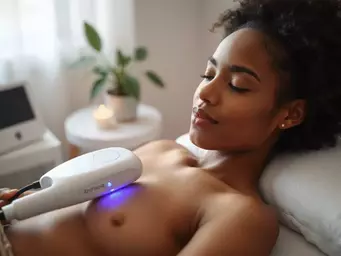
Curious about how light can illuminate not just your path, but also your mental well-being? Low-leve
Emerging Trends in Laser Therapy
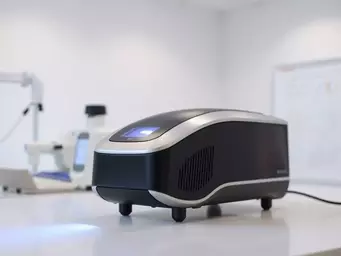
How prepared are you for the future of healthcare? In an era where technology meets medicine, unders
Erchonia Laser Research: New Insights
Erchonia Laser Therapy and Mental Health
Emerging Trends in Laser Therapy
Myths About Low-Level Laser Therapy
Understanding Erchonia's Dual-Wavelength Lasers