
Photobiomodulation: The Core Mechanism
- ✓ Enhances ATP production
- ✓ Stimulates cellular healing
- ✓ Reduces inflammation & pain
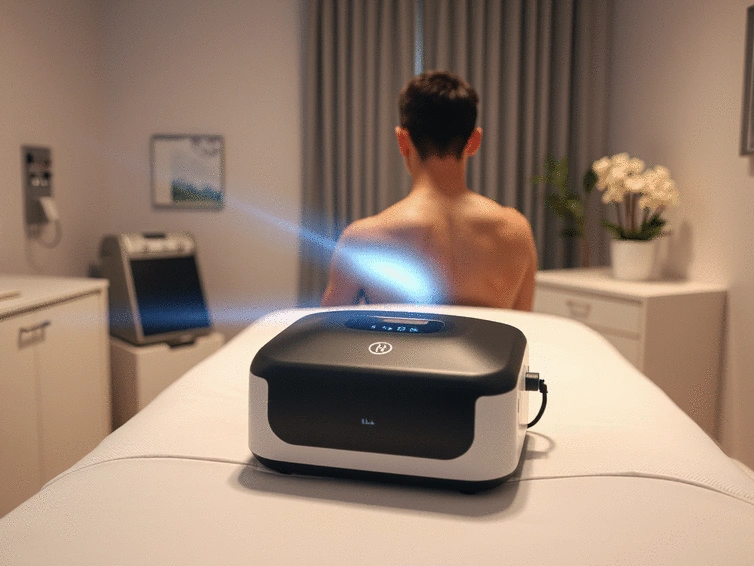
Low-level laser therapy (LLLT) is revolutionizing pain management, but how does it actually work? This innovative approach is not just about light; it’s about harnessing the power of photobiomodulation to promote healing and reduce pain. Get ready to uncover the essential insights about this exciting therapy!
Low-Level Laser Therapy (LLLT) is a non-invasive treatment promoting healing and pain relief through specific light wavelengths. Below, find key mechanisms, benefits, and practical considerations for this innovative therapy.
Welcome to the world of low-level laser therapy (LLLT)! If you're new to this innovative approach to pain relief, you're in the right place. As the founder of Erchonia Laser, I’ve dedicated my career to educating others about the profound impact LLLT can have on pain management and overall wellness. In this guide, we’ll explore what LLLT is all about, its science, and how it might just be the solution you’ve been searching for!
Whether you're a patient seeking relief or a healthcare provider looking to expand your treatment toolkit, understanding LLLT is crucial. Let’s take a closer look!
Low-level laser therapy, often referred to as cold laser therapy, is a non-invasive treatment that uses specific wavelengths of light to promote healing and relieve pain. Unlike traditional lasers that can cut or burn, LLLT operates at a lower intensity, allowing it to safely stimulate cellular function without damaging the surrounding tissues.
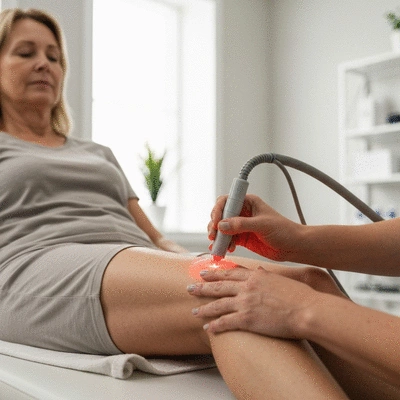
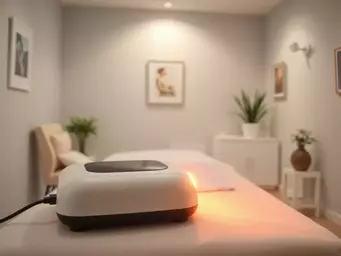
Patients often report that LLLT feels like a gentle warmth on the skin. This soothing sensation is a sign that the therapy is working to enhance circulation, reduce inflammation, and accelerate the healing process.
It’s fascinating to realize how something as simple as light can have such powerful outcomes! The beauty of LLLT lies in its versatility, making it suitable for various pain conditions. For additional information on how LLLT is regulated, you can refer to the FDA's guidance on low-level laser systems.
Understanding the terminology surrounding LLLT can greatly enhance your knowledge. Cold laser therapy is a common synonym for LLLT, emphasizing its non-invasive nature. The term "cold" refers to the low levels of heat produced during treatment, ensuring patient comfort.
Moreover, the healing mechanisms behind LLLT are fascinating. This therapy works primarily through photobiomodulation, a process where light energy is absorbed by cells, resulting in various physiological responses. This can lead to improved cellular repair, enhanced circulation, and reduced pain sensations. More details on the mechanisms of photobiomodulation can be found in this study on its clinical applications.
By grasping these key terms, you’ll be better equipped to understand how LLLT can fit into your pain management journey.
At the heart of LLLT is photobiomodulation, a fancy word that essentially means using light to modify biological processes. This mechanism is key to how LLLT supports recovery and pain relief.
When light is absorbed by the cells, it stimulates mitochondria, the powerhouse of the cell, which in turn increases the production of ATP (adenosine triphosphate). This process enhances cellular energy and promotes healing, making it a vital aspect of LLLT's effectiveness. Research, such as this article on photobiomodulation in various medical fields, highlights its broad potential.
Understanding photobiomodulation helps demystify the science behind LLLT, highlighting its potential as a safe and effective treatment option for those in pain.
LLLT, also known as cold laser therapy, is a non-invasive treatment that uses specific wavelengths of light to stimulate cellular functions, promote healing, and reduce pain without damaging tissues.
LLLT works through a process called photobiomodulation. Light energy is absorbed by cells, stimulating mitochondria to increase ATP production, which enhances cellular repair, improves circulation, and reduces inflammation and pain.
LLLT is effective for various conditions, including arthritis, tendonitis, and chronic pain, by promoting healing and reducing inflammation.
Yes, LLLT is a non-invasive and painless treatment. It operates at a low intensity, meaning it does not cut or burn tissues, making it a safe option for pain relief.
Yes, patients can choose between at-home LLLT devices and professional treatments offered in clinics, providing flexibility in managing their pain.
Insurance coverage for LLLT varies. It is recommended to check with your insurance provider to understand if LLLT is covered under your specific plan.
As you consider low-level laser therapy for pain relief, we’d love to know your thoughts! What aspects of LLLT are you most curious about or excited to explore? Share your insights below:
Low-level laser therapy (LLLT) is gaining recognition for its potential to provide effective pain relief without invasive procedures. Throughout this guide, we've explored the various aspects of LLLT, highlighting its mechanisms, clinical applications, and practical considerations for both patients and practitioners. Let's take a moment to recap the key points that underscore the benefits of this innovative therapy.

Emphasizing these advantages allows us to better understand why many are turning to LLLT as a reliable solution for pain management. If you’re considering exploring this option, connecting with a knowledgeable healthcare provider can clarify how LLLT fits into your wellness journey.
Before embarking on any new treatment, it’s essential to consult with your healthcare provider. They can offer personalized insights based on your medical history and specific condition. Start by discussing your pain management goals and how LLLT might align with them.
Engaging with your provider ensures that you make informed decisions about your health, paving the way for a tailored approach to pain relief.
The cost of LLLT can vary widely depending on factors such as location, type of treatment, and whether you choose at-home devices or professional services. Here are some points to keep in mind regarding expenses:
Understanding these financial aspects prepares you for what to expect as you consider LLLT as part of your pain management strategy.
Finding a reputable clinic that offers LLLT is a crucial first step. Start by searching online for clinics in your area, and consider asking for recommendations from healthcare providers or friends who may have experience with LLLT. When you find potential clinics, don't hesitate to:
This proactive approach can help you find a clinic that aligns with your needs and values.
The internet is a treasure trove of information about LLLT. Engaging with online forums, social media groups, and educational websites can provide valuable insights and support. Consider the following:
Utilizing these resources can enhance your understanding and keep you informed about the latest developments in low-level laser therapy.
As you explore LLLT, think about how it can fit into your broader wellness practices. Many patients find that combining LLLT with other therapies leads to better outcomes. Here are some strategies to consider:
By taking a comprehensive approach, you can maximize the benefits of LLLT and support your journey toward better health and wellness.
Here is a quick recap of the important points discussed in the article:
Erchonia Laser Research: New Insights
Curious about how light can heal? Low-level laser therapy (LLLT) is emerging as a groundbreaking, no
Erchonia Laser Therapy and Mental Health

Curious about how light can illuminate not just your path, but also your mental well-being? Low-leve
Emerging Trends in Laser Therapy
How prepared are you for the future of healthcare? In an era where technology meets medicine, unders
Erchonia Laser Research: New Insights
Erchonia Laser Therapy and Mental Health
Emerging Trends in Laser Therapy
Myths About Low-Level Laser Therapy
Understanding Erchonia's Dual-Wavelength Lasers