
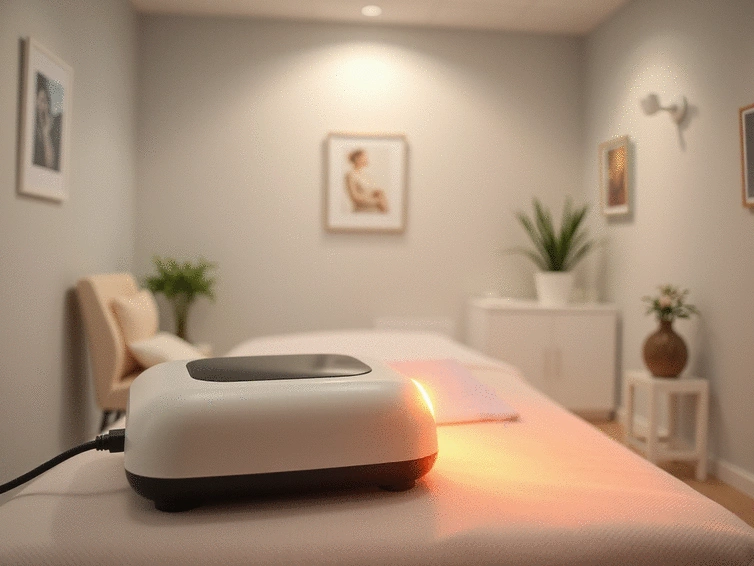
Myths About Low-Level Laser Therapy
Curious about how a gentle beam of light can transform your healing process? Low-Level Laser Therapy (LLLT) might be the answer you're seeking. This innovative treatment is reshaping pain management and recovery, offering patients a non-invasive path to relief. Let's explore what makes LLLT so compelling.
What You Will Learn
- LLLT is a non-invasive treatment that uses specific wavelengths of light to stimulate healing and alleviate pain.
- The therapy increases ATP production in cells, enhancing energy and reducing oxidative stress.
- Extensive research supports LLLT's safety, dismissing myths about cancer risks and placebo effects.
- Patients often experience soothing sensations during treatment, debunking the myth that laser therapy is painful.
- LLLT is a cost-effective alternative to traditional treatments, reducing reliance on invasive procedures and medications.
- The therapy has versatile applications, effective for sports injuries, chronic pain management, and wound healing.
Understanding LLLT: Key Benefits and Myth Realities
Low-Level Laser Therapy (LLLT) offers significant advantages while often being misunderstood. Below, we highlight its core benefits and debunk common myths, providing a clearer picture of this effective treatment.
LLLT Benefits
- ✓ Non-Invasive
- ✓ Pain Relief
- ✓ Accelerated Healing
- ✓ Reduced Inflammation
- ✓ Versatile Applications
Myth vs. Reality
- ✖ Dangerous/Cancer (Reality: Safe)
- ✖ Placebo Effect (Reality: Evidence-based)
- ✖ Always Painful (Reality: Soothing)
- ✖ All Lasers Same (Reality: Differs from surgical)
- ✖ At-home as effective (Reality: Clinical superior)
Understanding Low-Level Laser Therapy: A Brief Overview
Low-Level Laser Therapy (LLLT) is revolutionizing how we approach pain relief and healing. It's a gentle, non-invasive treatment that uses specific wavelengths of light to stimulate cellular activity. At Erchonia Laser, we believe that understanding this therapy is crucial for both practitioners and patients alike. Let’s break down the essentials of LLLT!
What is Low-Level Laser Therapy (LLLT)?
LLLT, often referred to as cold laser therapy, is a therapeutic technique that employs low-intensity lasers to promote healing and alleviate pain. It operates on the principle of photobiomodulation, where light interacts with cellular structures to enhance their function. This therapy is particularly valued for its safety and effectiveness, making it a preferred choice for many in pain management.
- Non-invasive treatment option
- Utilizes specific wavelengths of light
- Stimulates cellular activity for healing
As someone deeply involved in this field, I’ve witnessed firsthand how LLLT can transform lives. Patients often report significant improvements in their pain levels and overall well-being after just a few sessions. Isn’t that encouraging?
How Does Cold Laser Therapy Work?
Cold laser therapy works by delivering low levels of light energy to the affected area, triggering a series of biological responses. This process can enhance healing, reduce inflammation, and alleviate pain without the need for drugs or surgery. Imagine shining a light on a plant that’s wilting; that same principle applies here—boosting the body’s natural ability to heal itself!
- Increases ATP production in cells
- Reduces oxidative stress and inflammation
- Enhances blood circulation to promote healing
The beauty of LLLT lies in its ability to provide relief without the side effects often associated with traditional pain management techniques. Through my work with Erchonia Laser, I’ve seen the profound impact it can have on those suffering from chronic pain and injuries.
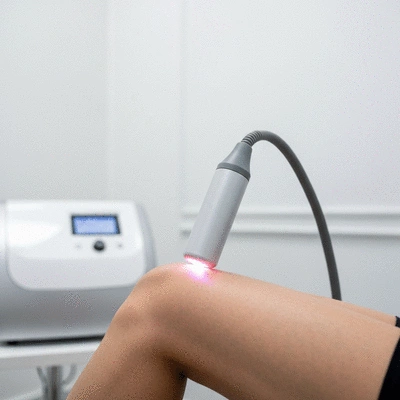
Dispelling Myths About Low-Level Laser Therapy
While LLLT offers remarkable benefits, several myths and misconceptions can cloud its effectiveness. It’s important to address these myths head-on to ensure that you have accurate information when considering this therapy.
Myth: Low-Level Laser Therapy is Dangerous and Causes Cancer
Concerns about safety are common when it comes to any form of therapy. However, extensive research has shown that LLLT is not only safe but also non-toxic. The energy levels used in cold laser therapy are far below those known to cause harm or increase cancer risks.
The Truth About Cancer Risks and Safety
Studies have consistently demonstrated that LLLT does not pose a risk of cancer. In fact, it has been approved by the FDA for various applications, underscoring its safety. For instance, a recent study highlighted on ClinicalTrials.gov is exploring the use of LLLT for scar treatment, further demonstrating its safe applications. It's crucial to rely on scientific evidence rather than myths when exploring treatment options.
Myth: LLLT is Just a Placebo Effect
Some skeptics may argue that the benefits of LLLT stem from a placebo effect. However, numerous clinical studies have validated LLLT’s effectiveness in treating various conditions.
Scientific Evidence Supporting Efficacy Studies
Meta-analyses and peer-reviewed research have shown that LLLT can significantly reduce pain and enhance healing. An article published in PMC NCBI discusses the therapeutic potential of low-level laser therapy in sports medicine, providing evidence for its efficacy beyond a placebo effect. This isn’t just wishful thinking; it’s backed by hard data. Trust me, as a practitioner, seeing patients achieve real results reinforces my belief in the power of this therapy!
Myth: Laser Therapy is Always Painful
Many people worry about pain during laser therapy, but LLLT is actually a painless procedure. Patients often describe the sensation as a gentle warmth or a slight tingling, which is quite different from the discomfort associated with other treatments.
What to Expect During a Session: Pain Levels Explained
During a typical session, the laser is applied to the targeted area for a short duration, usually between 5 to 30 minutes. Most clients find the experience soothing, making it an excellent alternative to more invasive procedures.
Myth: All Lasers Are the Same
Not all lasers serve the same purpose! There’s a significant difference between low-level lasers used in LLLT and Class 4 lasers often used in surgery.
Understanding the Differences Between LLLT and Class 4 Lasers
Class 4 lasers emit high-intensity light that can cut or destroy tissue, while LLLT uses low-intensity light to promote healing. This distinction is vital when considering what type of therapy is appropriate for your needs.
Myth: Low-Level Laser Therapy is Too Expensive
Cost is often a concern, but when you compare LLLT to other treatment options, it often proves to be more cost-effective in the long run. With less downtime and fewer complications, LLLT can save you both time and money!
Cost-Effectiveness of LLLT Compared to Other Treatments
Many patients find that LLLT reduces their reliance on medications and invasive procedures, leading to significant savings. That’s a win-win in my book!
Myth: Results are Immediate and Guaranteed
While many patients experience relief quickly, it’s important to have realistic expectations. LLLT is not a magic bullet, and results can vary based on individual conditions and the number of sessions.
Realistic Expectations for Treatment Outcomes
Typically, patients may need several sessions to achieve optimal results, and I encourage everyone to discuss their treatment plan thoroughly with their practitioner.
Myth: At-Home Devices are as Effective as Professional Treatments
With the rise of at-home laser devices, you might wonder if they offer the same benefits as professional treatment. While they can be useful, the effectiveness of clinical-grade lasers is generally superior.
Comparing Clinical Results vs. At-Home Laser Devices
Clinical devices, like those used at Erchonia Laser, are designed to deliver precise doses of light energy that at-home devices often cannot match. This is why I always recommend consulting a qualified practitioner to get the most out of your therapy.
Myth: Low-Level Laser Therapy is a New and Unproven Treatment
Many people may consider LLLT a new fad, but it has been researched for decades and has numerous FDA clearances for various applications.
History and FDA Approval of LLLT
With a strong foundation of scientific research and clinical studies, LLLT is a proven method for pain management and healing. For instance, the therapeutic potential of LLLT is continually being explored, with recent research highlighting its benefits in managing conditions like knee osteoarthritis, as detailed in an article from PMC NCBI. Knowing its history reinforces the trust we can place in this innovative therapy.
We Want to Hear From You!
What do you think about the effectiveness of Low-Level Laser Therapy? Have you or someone you know experienced its benefits? Share your thoughts below:
Summary of Low-Level Laser Therapy Benefits
Low-Level Laser Therapy (LLLT) offers a range of benefits for those seeking non-invasive solutions to manage pain and promote healing. As someone deeply invested in the field of laser therapy, I’ve seen firsthand how effective this technology can be. Let's explore some of the most compelling advantages of LLLT.

Here’s a quick overview of the essential benefits:
- Non-Invasiveness: Unlike traditional surgical procedures, LLLT does not require incisions or anesthesia.
- Pain Relief: Many patients report significant reductions in pain levels after just a few sessions.
- Accelerated Healing: The therapy enhances cellular repair, making it effective for wound healing and post-surgical recovery.
- Reduced Inflammation: LLLT helps to calm inflammation, which is often a source of chronic pain.
- Versatile Applications: From sports injuries to arthritis, LLLT is suitable for a wide variety of conditions.
These benefits make LLLT an appealing option for those looking to improve their wellness and manage pain effectively. Understanding these advantages can better inform your decision to explore LLLT as a treatment option.
Quick Recap of Key Myths and Their Realities
Throughout this article, we've addressed several myths surrounding low-level laser therapy. It's important to reinforce the realities behind these common misconceptions. Here’s a summary of the myths we've tackled:
- Myth: LLLT is dangerous and causes cancer. Reality: LLLT has been extensively studied and is considered safe when used correctly.
- Myth: It's just a placebo effect. Reality: Numerous scientific studies validate the effectiveness of LLLT.
- Myth: Laser therapy is always painful. Reality: Most patients experience a soothing sensation during treatment.
- Myth: All lasers are the same. Reality: LLLT uses specific wavelengths that differ significantly from surgical lasers.
- Myth: At-home devices are as effective as professional treatments. Reality: Clinical results often surpass those achieved with at-home equipment.
By dispelling these myths, we can help more people understand the true potential of LLLT. Knowledge is power, and I hope this information serves as a solid foundation for your exploration of laser therapy.
Exploring Therapeutic Applications: From Wound Healing to Sports Injuries
Low-Level Laser Therapy has a wide range of therapeutic applications, making it a versatile option for various health concerns. At Erchonia Laser, we believe in the immense potential of LLLT for both patients and healthcare providers. Here are some key areas where this therapy shines:
- Wound Healing: LLLT promotes faster healing of wounds by enhancing cellular metabolism and reducing inflammation.
- Chronic Pain Management: Effective for conditions like fibromyalgia, arthritis, and neuropathic pain.
- Sports Injuries: Athletes often use LLLT to recover quickly from muscle strains and ligament injuries.
- Post-Surgical Recovery: Reduces pain and accelerates healing after surgical procedures.
- Skin Conditions: LLLT can improve conditions like psoriasis and acne by promoting cellular repair.
These applications highlight how LLLT transcends typical pain management, offering comprehensive solutions for a variety of conditions. I encourage anyone interested in exploring these options to reach out for more information!
Take Action: Exploring LLLT for Your Needs
If you’re considering Low-Level Laser Therapy for your health needs, taking the next step is vital! Here’s how you can move forward.
Consultation Offers and Finding a Qualified Practitioner
At Erchonia Laser, we emphasize the importance of professional guidance. Consulting with a qualified practitioner ensures you receive tailored treatments that meet your specific needs. Here's how you can get started:
- Research local practitioners: Look for certified professionals who specialize in LLLT.
- Schedule a consultation: Many practitioners offer initial consultations to assess your condition and discuss treatment options.
- Ask questions: Inquire about their experience, treatment protocols, and any specific concerns you may have.
Finding the right practitioner can significantly affect your treatment experience and outcomes.
FAQs: Answering Your Common Questions About LLLT
Many people have questions about Low-Level Laser Therapy. Here are some frequently asked questions we encounter:
- What is Low-Level Laser Therapy (LLLT)? LLLT is a non-invasive treatment that uses specific wavelengths of light to stimulate cellular activity, promoting healing and pain relief.
- Is LLLT safe? Yes, extensive research supports the safety of LLLT. It uses low-intensity light, unlike surgical lasers, and does not cause harm or increase cancer risks.
- How does LLLT work? It works through photobiomodulation, where light energy increases ATP production in cells, reduces oxidative stress and inflammation, and enhances blood circulation to promote natural healing.
- Is LLLT painful? No, LLLT is generally a painless procedure. Patients often describe a gentle warmth or slight tingling sensation during treatment.
- How long do LLLT sessions last? Sessions typically last between 5 to 30 minutes, depending on the condition being treated and the treatment protocol.
- How many sessions will I need? The number of sessions varies depending on the individual's condition and severity. Many patients experience relief within a few sessions, but a full course often requires several treatments for optimal results.
- Is LLLT a proven treatment? Yes, LLLT has been researched for decades, has numerous FDA clearances for various applications, and its effectiveness is backed by scientific evidence and clinical studies.
- Can I use at-home laser devices for LLLT? While at-home devices can be useful, clinical-grade lasers used by professionals generally offer superior effectiveness due to precise light energy delivery. It is recommended to consult a qualified practitioner.
Understanding these aspects can help demystify LLLT and empower you to seek treatment confidently.
Understanding Treatment Protocols and Safety Guidelines
Finally, being aware of treatment protocols and safety guidelines ensures a positive experience with LLLT. Here are some key points to consider:
- Follow practitioner instructions: Always adhere to the guidelines provided by your healthcare professional.
- Discuss any medications: Inform your practitioner about medications or conditions that may affect your treatment.
- Monitor your progress: Keep track of your response to treatment to ensure it aligns with expectations.
By staying informed and engaged, you can maximize the benefits of LLLT for your health. I truly believe that together, we can illuminate the path to wellness through the power of laser therapy!
Recap of Key Points
Here is a quick recap of the important points discussed in the article:
- Non-Invasive Treatment: LLLT is a safe, non-invasive therapy that promotes healing without the need for surgery or drugs.
- Mechanism of Action: It works through photobiomodulation, enhancing cellular activity and reducing inflammation.
- Myth-Busting: Common misconceptions about LLLT, such as it being dangerous or merely a placebo, have been disproven by scientific evidence.
- Wide Applications: LLLT is effective for various conditions, including chronic pain, sports injuries, and skin issues.
- Consultation is Key: Engaging with a qualified practitioner is essential for tailored treatment plans and optimal outcomes.

Erchonia Laser Research: New Insights
Erchonia Laser Therapy and Mental Health
Emerging Trends in Laser Therapy
Myths About Low-Level Laser Therapy
Understanding Erchonia's Dual-Wavelength Lasers