
Future of Laser Therapy: Core Pillars
AI IntegrationPhotobiomodulationPortable Devices
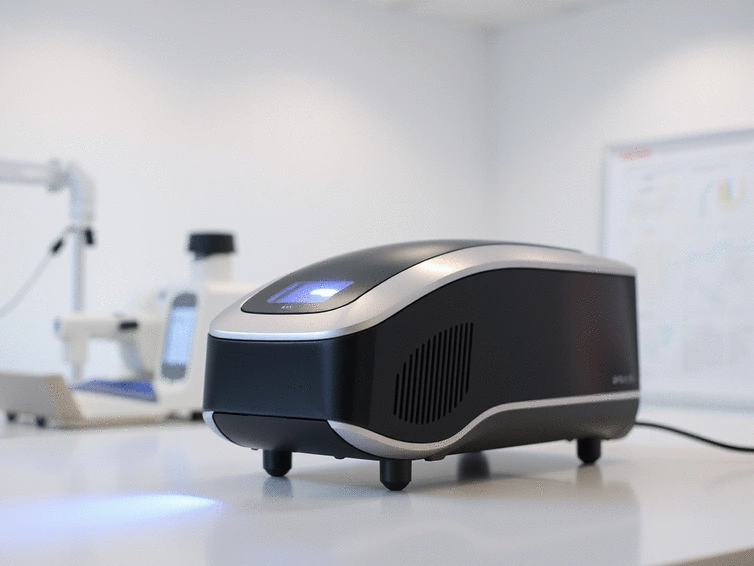
How prepared are you for the future of healthcare? In an era where technology meets medicine, understanding innovations in laser therapy can empower both patients and professionals. As we delve into the evolving landscape, you'll discover how low-level laser therapy (LLLT) is setting new standards in non-invasive treatment.
The following visual summarizes the key trends, research areas, and technological innovations shaping the future of laser therapy, highlighting key areas of focus and their potential impact.
As we look toward the future, it's crucial to grasp the transformative advancements happening in laser therapy. From its inception, low-level laser therapy (LLLT) has carved out a significant role in modern medicine. We are witnessing a rapid evolution, thanks to ongoing research and clinical trials that highlight its efficacy. The significance of these advancements cannot be overstated, particularly as healthcare continues to shift toward non-invasive treatment options.
Current research is paving the way for more innovative applications of laser technology. For example, studies are increasingly demonstrating the effectiveness of laser therapy in managing pain and promoting healing without the need for surgery. This not only bridges the gap between technology and patient care but also aligns with my mission at Erchonia Laser to empower individuals through knowledge and access to effective treatments. Further insights into the evolving landscape of laser therapy can be found in a recent article discussing laser therapy trends, covering aspects such as public health and policy.
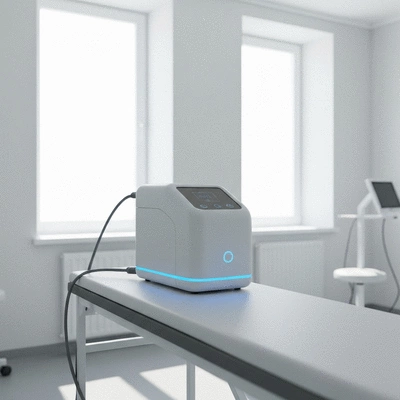
The landscape of laser therapy research is vibrant and ever-evolving. Recent advancements have focused on developing protocols that maximize therapeutic benefits while minimizing risks. Notably, clinical trials are showcasing the positive outcomes associated with LLLT in various fields, including chronic pain management and rehabilitation. This reflects a growing recognition within the medical community of the potential of laser therapy to enhance patient outcomes. For instance, a detailed review of the therapeutic applications of LLLT provides further evidence of its effectiveness.
Each of these areas contributes to an enriched understanding of how laser therapy can be utilized. At Erchonia Laser, we are committed to sharing these insights to inform both healthcare professionals and patients about the benefits of LLLT.
Looking ahead, certain key trends are shaping the trajectory of laser technology. One of the most exciting developments is the integration of artificial intelligence (AI) into treatment protocols. By analyzing patient data, AI can help healthcare providers tailor laser therapy applications to individual needs, enhancing both safety and effectiveness. This innovation can enhance our treatment strategies and ultimately improve patient satisfaction.
As we embrace these trends, it's essential to stay informed. The intersection of technology and healthcare holds immense potential, and by understanding these advancements, we can better serve our patients. At Erchonia Laser, we aim to be at the forefront of these innovations, helping to shape a brighter future for laser therapy.
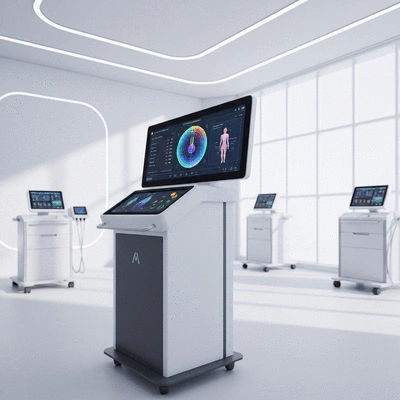
Photobiomodulation is revolutionizing therapeutic applications, particularly in pain management and wound healing. By utilizing specific wavelengths of light, this innovative approach stimulates cellular processes that promote healing and reduce pain. For many patients, this non-invasive technique offers a viable alternative to more traditional treatments. Research into the mechanisms and applications of photobiomodulation further supports its growing importance.
This methodology aligns perfectly with my dedication to exploring non-invasive healing solutions. At Erchonia Laser, we are excited to continue investigating the vast possibilities that photobiomodulation offers for patient recovery and wellness.
As we explore the advancements in laser therapy, we want to hear from you! What aspect of laser therapy excites you the most?
Low-level laser therapy (LLLT) is a non-invasive medical treatment that uses low-power lasers or LEDs to stimulate cellular function, promoting healing and reducing pain without significant heat generation.
Photobiomodulation (PBM) uses specific wavelengths of light to stimulate cellular processes, leading to increased cellular energy production, reduced oxidative stress, and enhanced collagen synthesis, all of which contribute to healing and pain reduction.
LLLT is known for its effectiveness in reducing inflammation, accelerating recovery times, and managing chronic pain. It is also used in sports medicine and for promoting healing through non-invasive means.
AI is being integrated into laser therapy to customize treatment protocols based on individual patient data. This allows for more personalized and effective treatments, enhancing both safety and patient outcomes.
Collaboration between professional societies and academic institutions is crucial for sharing knowledge, standardizing practices, and conducting clinical trials. These efforts ensure the continued development, safety, and efficacy of laser therapy treatments.
As we look ahead to the future of laser therapy, it's clear that several key trends, market growth potentials, and technological advancements are shaping this innovative field. From the increasing integration of AI in treatment protocols to the promising developments in photobiomodulation, the landscape of laser therapy is evolving rapidly.
What excites me the most at Erchonia Laser is the potential for our therapies to empower patients and healthcare professionals alike. We are witnessing a surge in interest surrounding non-invasive treatments, which highlights the importance of education and awareness in fully realizing the benefits of low-level laser therapy (LLLT).
It's crucial for stakeholders in healthcare and technology to remain informed about the emerging trends and innovations in laser therapy. Here are some insights to consider:
By keeping these insights in mind, we can better navigate the upcoming changes in the landscape of laser therapy. I encourage everyone in the field to actively seek out knowledge and share experiences that contribute to our collective understanding.
At Erchonia Laser, we believe that engaging with ongoing research is vital for the growth of laser therapy. Whether you are a healthcare provider, researcher, or patient, there are numerous ways to contribute:
Your involvement can help shape the narrative of laser therapy and ensure that we continue to advance this exciting field.
Collaboration between professional societies and academic institutions is essential for advancing laser therapy research. These partnerships can:
As we move forward, strengthening these collaborations will be key to unlocking the full potential of laser therapy. At Erchonia Laser, we are committed to supporting these initiatives and fostering a community dedicated to non-invasive healing solutions.
Here is a quick recap of the important points discussed in the article:
Erchonia Laser Research: New Insights
Curious about how light can heal? Low-level laser therapy (LLLT) is emerging as a groundbreaking, no
Erchonia Laser Therapy and Mental Health

Curious about how light can illuminate not just your path, but also your mental well-being? Low-leve
Emerging Trends in Laser Therapy
How prepared are you for the future of healthcare? In an era where technology meets medicine, unders
Erchonia Laser Research: New Insights
Erchonia Laser Therapy and Mental Health
Emerging Trends in Laser Therapy
Myths About Low-Level Laser Therapy
Understanding Erchonia's Dual-Wavelength Lasers