
Cellular Mechanism: Photobiomodulation
- ✓ Increased ATP Production
- ✓ Enhanced Blood Flow
- ✓ Reduction of Inflammation
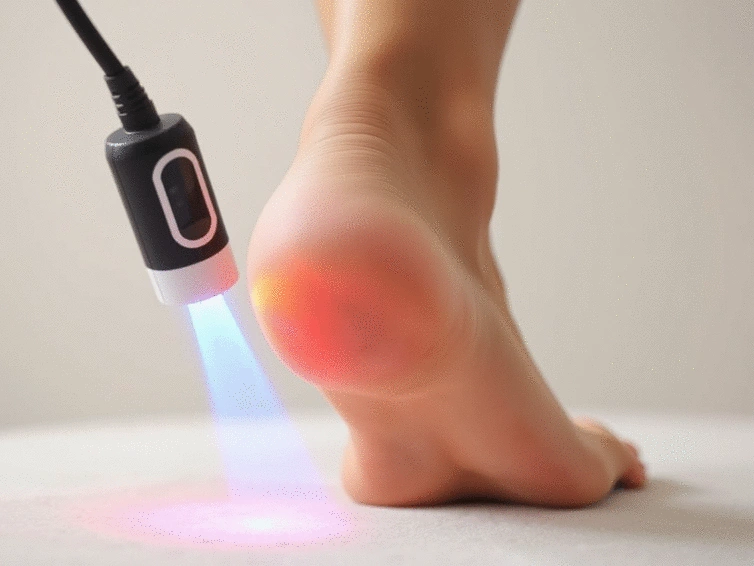
What if you could enhance your body's healing process with just light? Low-level laser therapy (LLLT) is reshaping pain management, especially for conditions like plantar fasciitis. Discover how this innovative solution can relieve pain and promote recovery.
Low-Level Laser Therapy (LLLT) for plantar fasciitis offers significant advantages by promoting cellular activity and reducing inflammation. This visual highlights the core mechanisms and patient outcomes of LLLT.
LLLT promotes both immediate relief and long-term tissue repair, empowering patients to regain an active lifestyle.
At Erchonia Laser, we’re dedicated to unraveling the complexities of low-level laser therapy (LLLT) and its applications, particularly when it comes to conditions like plantar fasciitis. Understanding how LLLT works at a cellular level is essential for appreciating its potential in reducing inflammation and promoting healing. Through a process known as photobiomodulation, LLLT utilizes specific wavelengths of light to stimulate cellular activity, leading to enhanced tissue repair and pain relief.
This mechanism is significant for patients suffering from plantar fasciitis, as the therapy targets the underlying causes of pain. By enhancing cellular metabolism and encouraging blood flow to affected areas, LLLT can help restore normal function and alleviate discomfort. Imagine it as providing a much-needed boost to your body's natural healing processes—one gentle light at a time!
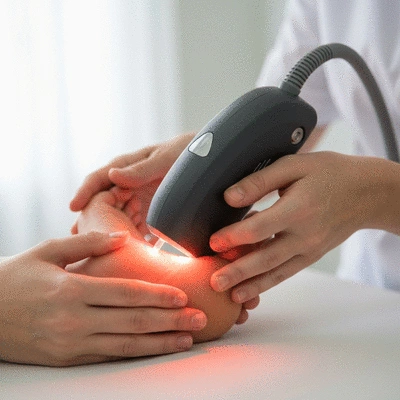
To truly grasp the benefits of LLLT, let's delve deeper into its scientific foundation. When specific wavelengths of light penetrate the skin, they activate the mitochondria within our cells. This activation leads to increased ATP production, which fuels cellular repair processes. The result? A reduction in inflammation and an acceleration of healing, both crucial for those battling plantar fasciitis.
These biological responses are critical in alleviating the discomfort associated with chronic conditions like plantar fasciitis. By understanding the science behind LLLT, we empower both patients and healthcare practitioners to consider it as a viable treatment option.
Clinical studies consistently highlight the effectiveness of Erchonia laser therapy in treating plantar fasciitis. Notably, key research and meta-analyses have shown significant improvements in Visual Analog Scale (VAS) scores among patients undergoing this therapy. The evidence supports LLLT as a non-invasive alternative to conventional treatments, reinforcing its role in evidence-based practice.
For instance, one study found that patients experienced up to a 70% improvement in pain levels after just a few sessions. Isn’t that encouraging? These findings not only validate the efficacy of LLLT but also enhance our commitment at Erchonia Laser to share this knowledge with healthcare professionals and patients alike.
The benefits of LLLT extend beyond initial pain relief; they include long-term tissue repair and improved functional outcomes. By promoting collagen synthesis and reducing oxidative stress, LLLT enhances the body's natural healing mechanisms. This is especially vital for patients suffering from plantar fasciitis, as effective treatment can lead to a more active lifestyle. The ongoing efforts to evaluate laser treatment for chronic plantar fasciitis further underscore its potential.
As we explore these mechanisms, it becomes clear that LLLT not only addresses immediate pain but also facilitates a comprehensive recovery process. At Erchonia Laser, we are excited to continue disseminating valuable information about these innovative treatments and their transformative effects.
Have you ever tried low-level laser therapy (LLLT) for plantar fasciitis or other conditions? We want to hear from you! Please share your experience:
LLLT, also known as photobiomodulation, uses specific wavelengths of light to stimulate cellular activity, reduce inflammation, and promote tissue repair without heat or pain.
LLLT targets the underlying causes of plantar fasciitis pain by enhancing cellular metabolism, increasing ATP production, improving blood flow, and reducing inflammation in the affected foot tissues.
Yes, clinical studies and meta-analyses have shown LLLT to be effective in treating plantar fasciitis, with many patients reporting significant reductions in pain levels.
LLLT is non-invasive, comfortable, and promotes long-term healing by accelerating tissue repair and reducing oxidative stress, offering an alternative to more invasive procedures like injections or surgery.
LLLT sessions are typically painless. The laser device is applied to the affected area, and the duration of each session can vary, with many patients experiencing rapid pain relief.
Insurance coverage for LLLT can vary. It's recommended to check with your specific insurance provider to understand potential coverage options.
At Erchonia Laser, we understand that patient experiences can provide invaluable insights into the effectiveness of low-level laser therapy (LLLT) for conditions like plantar fasciitis. Real-world applications not only help prospective patients relate but also illustrate the transformative journey of healing. For instance, one patient shared their story of struggling with chronic heel pain for years. After just a few sessions of LLLT, they experienced significant relief, enabling them to return to their daily activities with ease! The American Academy of Orthopaedic Surgeons (AAOS) also provides insights into plantar fasciitis treatment options, further supporting the need for effective solutions like LLLT.
These patient narratives are powerful tools. By sharing their stories, we can help potential patients visualize their own path to recovery. Here are some key elements commonly highlighted in patient testimonials:
These testimonials serve not only to inspire but also to build trust among potential patients considering LLLT as a viable treatment option for plantar fasciitis. It’s these shared experiences that highlight the potential for positive outcomes.

For healthcare providers, integrating LLLT into clinical practice can be a game-changer! Here are some actionable insights to consider:
By adopting these best practices, clinics can enhance the patient experience, leading to better outcomes and increased satisfaction with LLLT treatments. Engaging with patients through education creates a supportive environment where they feel empowered about their healing journey.
When considering treatment options for plantar fasciitis, it’s important to evaluate the cost-effectiveness of LLLT in comparison to alternative treatments. Many patients find that LLLT offers a compelling advantage in both price and outcomes. Here are some aspects to consider:
These considerations can help patients make informed choices about their treatment options, ensuring they feel confident in their decision to pursue LLLT at Erchonia Laser.
As we wrap up this exploration of low-level laser therapy for plantar fasciitis, I encourage readers to remember the key takeaways. LLLT is a safe, non-invasive treatment option backed by patient testimonials and clinical evidence. Whether you're a patient seeking relief or a practitioner looking to expand your treatment options, I urge you to reach out and gather more information about this promising therapy!
At Erchonia Laser, we are here to guide you on this journey, providing the resources you need to make informed decisions about managing plantar fasciitis. Together, we can illuminate the path to wellness!
Here is a quick recap of the important points discussed in the article:
Erchonia Laser Research: New Insights
Curious about how light can heal? Low-level laser therapy (LLLT) is emerging as a groundbreaking, no
Erchonia Laser Therapy and Mental Health

Curious about how light can illuminate not just your path, but also your mental well-being? Low-leve
Emerging Trends in Laser Therapy
How prepared are you for the future of healthcare? In an era where technology meets medicine, unders
Erchonia Laser Research: New Insights
Erchonia Laser Therapy and Mental Health
Emerging Trends in Laser Therapy
Myths About Low-Level Laser Therapy
Understanding Erchonia's Dual-Wavelength Lasers