
What is Erchonia Laser Therapy (LLLT)?
- • Non-Invasive: No surgery or injections.
- • Quick Recovery: Short treatments.
- • Versatile: Joint pain, skin issues.
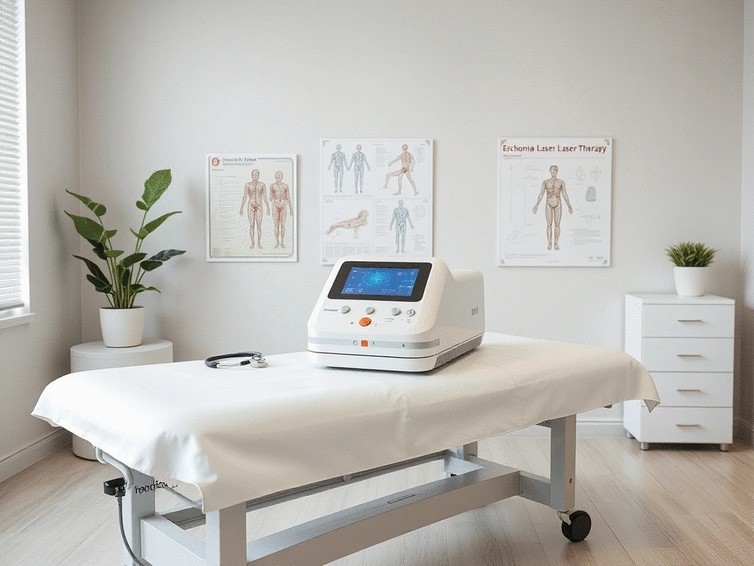
What if a simple light could alleviate your chronic pain? Low-level laser therapy (LLLT) is revolutionizing pain management with its non-invasive approach, offering a beacon of hope for many. As we delve into the insights surrounding Erchonia Laser Therapy, you'll discover how this innovative treatment can transform recovery and wellness.
Low-level laser therapy (LLLT) offers a non-invasive approach to healing and pain management. The following visual highlights the core benefits and practical steps for clinicians considering its integration.
At Erchonia Laser, we are passionate about sharing the incredible potential of low-level laser therapy (LLLT). This non-invasive treatment method harnesses specific wavelengths of light to promote healing, reduce inflammation, and alleviate pain. With a growing body of evidence supporting its efficacy, LLLT is becoming a staple in pain management and recovery.
So, what exactly is Erchonia Laser Therapy? It's a cutting-edge approach that taps into the body's natural healing processes. By stimulating cellular activity, LLLT encourages the repair of damaged tissues while enhancing overall wellness. It’s akin to shining a light on a flower to help it bloom—just like how LLLT can encourage your body to heal!
Erchonia Laser Therapy utilizes low-level lasers to target areas of discomfort and promote healing. This modality is particularly beneficial for conditions affecting the musculoskeletal system. Patients often experience significant relief from chronic pain, making it a valuable tool for healthcare providers.
By understanding the basics of LLLT, both practitioners and patients can appreciate its role in advancing pain management strategies. As we explore further, you’ll see how this therapy stands out in clinical practice, with ongoing studies such as those investigating its efficacy for chronic lower back pain and neck and shoulder pain.
LLLT works by emitting specific wavelengths of light that penetrate the skin and stimulate cellular function. This process can lead to enhanced blood flow, reduced inflammation, and accelerated healing. When treating musculoskeletal conditions, the laser energy is absorbed by the cells, triggering a series of beneficial biological responses.
By understanding how LLLT interacts with the body, we can better appreciate its potential to transform the treatment of chronic pain and other conditions, as evidenced by its use in clinical trials for various pain syndromes.
Erchonia Laser Therapy has a broad range of therapeutic applications that extend beyond traditional pain relief. Here are some of the primary areas where LLLT is making a significant impact:
The versatility of LLLT makes it a valuable option for healthcare professionals looking to expand their treatment repertoire. By integrating this innovative therapy, we can enhance patient outcomes and provide holistic care.
To maximize the benefits of Erchonia Laser Therapy, consider combining it with other complementary therapies such as physical therapy or acupuncture. This integrated approach can enhance healing outcomes and provide a more holistic treatment experience for your patients.
As we reflect on the integration of low-level laser therapy (LLLT) in clinical practice, it’s essential to recognize its multitude of benefits. At Erchonia Laser, we’ve witnessed firsthand how LLLT not only enhances pain management but also supports overall wellness. Here’s a summary of the key takeaways from evidence-based practices that can guide your clinical journey.
These points underscore not just the effectiveness of LLLT but also its role in transforming patient care. By adopting this technology, we can provide innovative solutions that align with our mission to empower individuals through knowledge and healing.
If you're a clinician contemplating the integration of Erchonia Laser Therapy into your practice, there are several key steps to consider. Following a structured approach can streamline the adoption process and enhance patient outcomes.
Taking these next steps can significantly enhance your practice's capabilities and improve patient satisfaction. At Erchonia Laser, we’re committed to supporting you every step of the way!
When considering new treatment modalities like LLLT, cost-effectiveness is a crucial factor for many clinicians. Understanding the financial implications can help you make informed decisions about integrating these therapies into your practice.
By evaluating these cost-effective benefits, you can position your practice for success while enhancing patient care. Embracing LLLT is not just about adopting a new technology, but also about investing in the future of your practice and the wellness of your patients.
Are you ready to deepen your understanding of low-level laser therapy and its applications? At Erchonia Laser, we offer a wealth of resources to help you navigate this exciting field! Let’s explore how you can access invaluable support and educational materials.
We believe in empowering healthcare professionals with knowledge about LLLT. To facilitate this, we provide a range of educational materials, including:
These resources are designed to enhance your skills and confidence in utilizing LLLT effectively. Don’t miss the chance to elevate your practice!
Connecting with fellow practitioners can be incredibly beneficial for your growth in using LLLT. Consider joining professional communities where you can:
Engaging with these communities fosters a culture of learning and collaboration, enhancing your practice and patient outcomes. At Erchonia Laser, we are excited to support you on this journey towards integrating LLLT into your clinical toolbox!
Here is a quick recap of the important points discussed in the article:
Erchonia Laser Research: New Insights
Curious about how light can heal? Low-level laser therapy (LLLT) is emerging as a groundbreaking, no
Erchonia Laser Therapy and Mental Health

Curious about how light can illuminate not just your path, but also your mental well-being? Low-leve
Emerging Trends in Laser Therapy
How prepared are you for the future of healthcare? In an era where technology meets medicine, unders
Erchonia Laser Research: New Insights
Erchonia Laser Therapy and Mental Health
Emerging Trends in Laser Therapy
Myths About Low-Level Laser Therapy
Understanding Erchonia's Dual-Wavelength Lasers