
Benefit 1:
Non-Invasiveness & Speed
- No anesthesia or surgery
- Quick 15-30 min sessions
- Immediate return to daily activities

Curious about how a simple light can revolutionize pain management? Low-level laser therapy (LLLT) is proving to be a game-changer, encouraging the body to heal itself naturally. In this section, we’ll explore the essential insights regarding this innovative treatment.
Low-Level Laser Therapy (LLLT) offers distinct advantages over traditional pain management methods. This comparison highlights its benefits across several crucial aspects.
Low-level laser therapy (LLLT) is an innovative, non-invasive treatment gaining recognition in pain management. At Erchonia Laser, I’ve seen firsthand the transformative impact of this technology on patients seeking relief from chronic pain. LLLT utilizes specific wavelengths of light to stimulate cellular processes, promoting healing without the need for invasive procedures.
As we explore LLLT, it’s essential to understand how it works and the various conditions it effectively addresses. Let’s delve into the mechanisms behind LLLT and the range of applications it offers.
At its core, LLLT harnesses low-energy laser light to enhance cellular function and accelerate recovery. This therapy can be thought of as a gentle nudge for your body, encouraging it to heal itself naturally. Unlike high-powered lasers, LLLT operates in a way that is safe for patients, providing therapeutic benefits without the risks associated with surgical interventions.
These actions are particularly beneficial for healing injuries and managing pain. Understanding these mechanisms helps both patients and practitioners recognize the potential of LLLT as part of a holistic approach to wellness.
The primary mechanism of action in LLLT involves stimulating mitochondrial activity within cells. When laser light is absorbed, it increases ATP production, which is the energy currency of cells. This boost in energy enhances healing processes, reduces pain signals, and improves blood circulation. The result is a natural and effective method to facilitate recovery from a wide array of conditions! For more detailed information on cellular processes, you can refer to research on photobiomodulation's impact on cellular function.
In addition to ATP production, LLLT modulates inflammatory responses and promotes cellular regeneration. By focusing on these cellular processes, LLLT provides a safe and effective alternative to traditional pain management methods.
LLLT has demonstrated efficacy in treating various conditions, making it a versatile option for both healthcare professionals and patients. Some of the conditions that benefit from LLLT include:
These examples illustrate just a fraction of what LLLT can address, reinforcing its role in modern pain management strategies. By empowering patients with options like LLLT, we can enhance their overall quality of life and recovery.
LLLT stands out as a promising alternative to traditional pain management therapies. Its advantages include a range of benefits that often make it the preferred choice for many patients. Let’s explore why LLLT is gaining traction within the medical community.
These benefits underscore why LLLT is becoming increasingly popular among practitioners and patients alike. As we continue to delve into the advantages of LLLT, let’s look closer at its specific benefits and how they compare to traditional methods.
One of the most appealing aspects of LLLT is its non-invasive nature. Patients can receive treatment without the need for anesthesia or surgical recovery. A typical session lasts only 15 to 30 minutes, making it easy to integrate into busy schedules. The fast turnaround means patients can often return to their daily activities immediately after treatment!
This convenience is a significant factor for many patients seeking relief from chronic pain and discomfort. It allows them to focus on recovery without the burdens associated with traditional medical interventions.
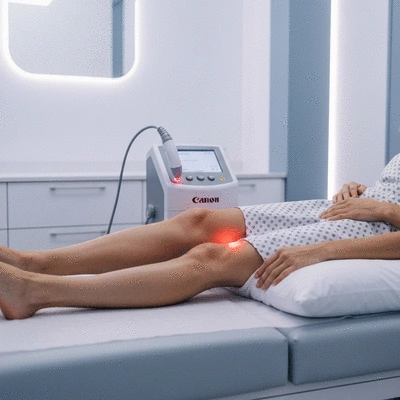
Unlike many conventional pain medications, LLLT has virtually no known side effects. Traditional treatments can often lead to unwanted complications such as addiction or gastrointestinal issues. In contrast, LLLT is safe and well-tolerated, making it an attractive option for those concerned about medication-related risks.
This safety profile is crucial for patients looking for effective pain management solutions without the associated baggage of pharmaceuticals. By prioritizing non-invasive therapies like LLLT, we can help patients regain control over their lives!
The metrics surrounding recovery and pain reduction are impressive when it comes to LLLT. Studies have shown that patients experience significant improvements in pain scores and functionality within just a few sessions. This rapid response is a game-changer for individuals who have struggled with chronic pain for years.
These statistics highlight LLLT's effectiveness and reinforce its positioning within evidence-based healthcare practices.
Not only does LLLT provide immediate relief, but it also fosters long-term health benefits. Many patients report sustained improvements in their pain levels and overall quality of life. This long-lasting effect is essential for those seeking a path to recovery without the fear of chronic pain returning. You can find more information on the long-term benefits of LLLT and quality of life in published research.
As we reflect on the advantages of LLLT, it becomes clear that this therapy offers a multifaceted approach to pain management, making a significant impact on both physical and emotional well-being.
What do you think about low-level laser therapy (LLLT) as a pain management solution? Share your thoughts below:
Choosing the right pain management strategy can feel overwhelming. With so many options available, it’s important to make an informed decision that aligns with your personal health goals. At Erchonia Laser, we believe that understanding the long-term benefits of low-level laser therapy (LLLT) is crucial for anyone considering this innovative treatment.
In this section, we'll delve into various aspects of LLLT, including its potential limitations, specific responses based on demographics, and the importance of clinical evidence in making your choice.
When weighing your pain management options, it’s vital to consider the long-term benefits of LLLT. This non-invasive therapy not only addresses current pain but may also contribute to lasting improvements in well-being. Let’s explore some key factors:
While the advantages are compelling, it’s important to also consider potential limitations. For some patients, LLLT might not produce immediate results, and understanding this is part of setting realistic expectations.

Every treatment has its challenges, and LLLT is no exception. Here are some potential limitations to keep in mind:
Understanding these factors can help you make a more informed choice about incorporating LLLT into your pain management strategy.
It's also essential to recognize that demographic factors can influence how individuals respond to LLLT. Research shows that:
By understanding these demographic-specific responses, you can better assess how LLLT might fit into your treatment plan.
At Erchonia Laser, we prioritize the importance of clinical trials and evidence-based practice. Numerous studies have demonstrated the efficacy of LLLT in various applications, including:
Staying abreast of the latest research can help you make a well-informed decision when considering LLLT as a pain management solution. For ongoing research and clinical trials, you can consult resources like ClinicalTrials.gov.
As you evaluate your pain management options, it's important to consider when LLLT might be the right choice for you. Some individuals may benefit significantly from this therapy, while others may find traditional methods more suitable.
Here are a few scenarios where I recommend considering LLLT:
Knowing these indicators can guide you towards a more personalized pain management strategy.
To make the best decision for your health, I encourage you to consult with a healthcare provider who understands LLLT. They can provide tailored advice based on your specific needs and health conditions.
The field of low-level laser therapy is evolving, and ongoing research holds great promise for the future. I am excited about what lies ahead and encourage you to stay informed about emerging studies and advancements in LLLT. Together, we can explore how this innovative therapy can enhance your pain management journey.
Here is a quick recap of the important points discussed in the article:
Erchonia Laser Research: New Insights
Curious about how light can heal? Low-level laser therapy (LLLT) is emerging as a groundbreaking, no
Erchonia Laser Therapy and Mental Health

Curious about how light can illuminate not just your path, but also your mental well-being? Low-leve
Emerging Trends in Laser Therapy
How prepared are you for the future of healthcare? In an era where technology meets medicine, unders

Erchonia Laser Research: New Insights
Erchonia Laser Therapy and Mental Health
Emerging Trends in Laser Therapy
Myths About Low-Level Laser Therapy
Understanding Erchonia's Dual-Wavelength Lasers