
Wavelength: 650nm vs 660nm
Crucial for specific applications like hair restoration (650nm-660nm).
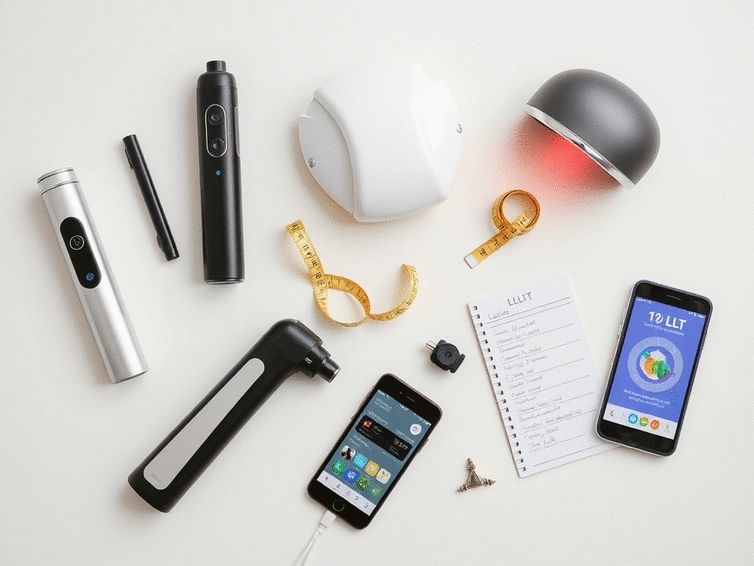
Curious about how light can transform your health? Low-Level Laser Therapy (LLLT) is revolutionizing non-invasive healing. This powerful technique harnesses specific wavelengths of light to stimulate cellular processes, promoting healing and wellness. Here are the key insights you’ll gain from exploring this innovative therapy.
Understanding these specifications is crucial for selecting an effective LLLT device for your needs.
Crucial for specific applications like hair restoration (650nm-660nm).
Ensures effective tissue penetration and cellular stimulation.
Determines the intensity and dosage of light delivered to tissues.
Differ in coherence and penetration depth, impacting treatment effectiveness.
Low-Level Laser Therapy (LLLT) has become a fascinating topic in the realm of non-invasive healing solutions. As someone who is deeply invested in the benefits of laser technology, I can confidently say that LLLT is not just a trend; it’s a genuine method that utilizes specific wavelengths of light to promote healing and wellness. Understanding how LLLT works is crucial for anyone considering this therapy, whether you're a healthcare professional or a patient seeking alternatives for pain relief or hair growth.
At its core, LLLT involves the application of low-intensity lasers or light-emitting diodes (LEDs) to the skin's surface. This light penetrates tissues, stimulating cellular activity and encouraging the body’s natural healing processes. It’s like energizing your cells, helping them repair and regenerate more efficiently. How amazing is that?
Let’s dive a bit deeper into this amazing therapy! LLLT operates on the principle of photobiomodulation, where light energy is absorbed by cells, promoting various beneficial biological reactions. This can lead to reduced inflammation, enhanced blood circulation, and even pain alleviation. By harnessing this technology, we can tap into the body’s innate ability to heal itself. For more in-depth information, you can explore resources like Physiopedia's article on Low-Level Laser Therapy.
As a passionate advocate for this treatment, I often see firsthand how LLLT can transform lives. Many patients report significant improvements in their conditions, which makes educating others about this powerful therapy so rewarding!
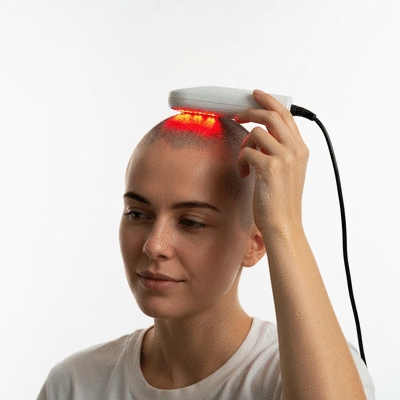
One of the most exciting applications of LLLT is in promoting hair growth. If you’re struggling with thinning hair or alopecia, LLLT devices can offer a non-invasive solution. These devices deliver light energy directly to hair follicles, stimulating them and potentially reviving dormant follicles. The FDA also provides guidance on low-level laser systems for aesthetic use, including hair growth.
Many users have shared their success stories on how LLLT has helped them regain confidence by improving their hair growth. It’s truly inspiring to witness the positive impact this therapy can have!
Understanding the science behind photobiomodulation helps demystify LLLT further. When the laser light penetrates the skin, it activates the mitochondria—the powerhouse of our cells. This reaction can lead to increased ATP production, which fuels cellular functions necessary for healing. Recent studies, such as the one published in PMC NCBI NLM, further explore the molecular mechanisms of photobiomodulation.
By exploring these mechanisms, we can better appreciate how LLLT devices can aid not just in pain management, but also in enhancing overall wellness. It’s all about encouraging the body to do what it does best—heal itself!
As we move forward in this exploration of LLLT devices, it’s essential to focus on the technical specifications that make a device effective. While many people may be eager to jump into using these devices, understanding the right features can lead to better outcomes. Think of it as picking the right tool for the job; the right specifications can make all the difference!
When evaluating LLLT devices, I encourage you to pay attention to these specifications. They are crucial for ensuring you select a device that best fits your needs, whether for personal use or clinical application.
Have you ever tried Low-Level Laser Therapy (LLLT) for pain relief or hair growth? We’d love to know about your experiences! Please share your thoughts and any results you've seen below:
To further clarify common queries about Low-Level Laser Therapy, we've compiled a list of frequently asked questions based on the insights discussed in this article.
When it comes to choosing the right low-level laser therapy (LLLT) device, it's essential to make an informed decision. With various options available, understanding how to match specifications to your individual needs can significantly impact your treatment's effectiveness. I often emphasize to my clients that the right device can make all the difference in their healing journey!
To help navigate the purchasing process, consider the following factors:
By evaluating these aspects, you can create a personalized decision tree that aligns with your health objectives. For instance, if your focus is on hair restoration, devices with wavelengths around 650nm or 660nm may be more effective. Meanwhile, if pain management is your priority, verify that the device meets the power output standards.

As someone who is passionate about laser therapy, I've seen firsthand how selecting the right device can lead to successful outcomes. Here are some recommendations:
Before purchasing, consider your specific needs and preferences. If you're uncertain, don't hesitate to reach out to experts or visit reputable forums for guidance. Remember, making an informed choice is key to achieving the best results!
User reviews can be invaluable when deciding on an LLLT device. Here’s what to focus on:
By paying attention to these aspects, you can gather insights that will help you choose a device that meets your expectations and needs.
Once you've narrowed down your options, the next steps are crucial in ensuring a successful purchase and experience!
Always check for a return policy and warranty to safeguard your investment!
To further understand LLLT, here are some resources I recommend:
Being well-informed will empower you to make the best choices for your health!
After purchasing your device, reviewing the user manual is essential. Here’s why:
Taking these steps will help ensure you get the most out of your LLLT device!
By simplifying your selection process, you can confidently choose the best LLLT device for your needs. Don't rush; take your time to research!
Create a checklist based on your needs and preferences. This will guide your decision-making and help you stay focused on what truly matters for your health.
Lastly, I encourage you to explore all available options. Remember, this investment in your wellness could yield significant benefits. If you have any questions, feel free to reach out here at Erchonia Laser—I'm always happy to help!
Here is a quick recap of the important points discussed in the article:
Erchonia Laser Research: New Insights
Curious about how light can heal? Low-level laser therapy (LLLT) is emerging as a groundbreaking, no
Erchonia Laser Therapy and Mental Health
Curious about how light can illuminate not just your path, but also your mental well-being? Low-leve
Emerging Trends in Laser Therapy
How prepared are you for the future of healthcare? In an era where technology meets medicine, unders
Erchonia Laser Research: New Insights
Erchonia Laser Therapy and Mental Health
Emerging Trends in Laser Therapy
Myths About Low-Level Laser Therapy
Understanding Erchonia's Dual-Wavelength Lasers