
Low-Level Laser Therapy (LLLT)
- ✓ Non-invasive treatment
- ✓ Minimal to no side effects
- ✓ Promotes cellular healing & ATP production
- ✓ Often immediate pain relief
- ✓ Cost-effective long-term
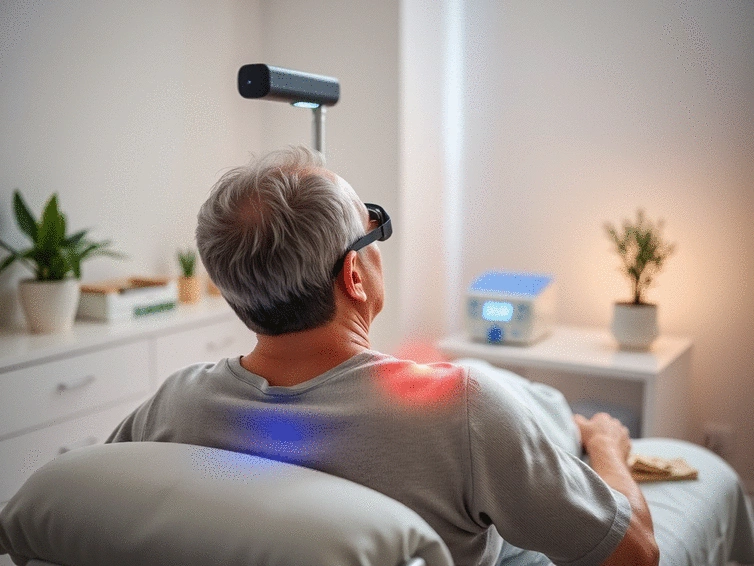
What if you could alleviate chronic pain without invasive procedures? Low-level laser therapy (LLLT) offers a non-invasive and effective alternative for pain management. Understanding its potential can transform your approach to wellness.
Low-level laser therapy stands out as a modern approach to pain management, offering distinct advantages over conventional methods. This comparison highlights key differences, emphasizing its non-invasive nature and minimal side effects.
Low-level laser therapy, commonly referred to as LLLT, is an innovative approach to pain management that uses specific wavelengths of light to promote healing. This non-invasive treatment method stimulates cellular activity, helping to alleviate pain and accelerate recovery processes. At Erchonia Laser, we believe that understanding LLLT is key to unlocking its potential benefits in your wellness journey!
Many individuals seek alternatives to traditional pain management methods, and LLLT stands out as a gentle yet effective option. By harnessing the power of light, LLLT can enhance the body's natural healing capabilities, making it an exciting prospect for those battling chronic pain.
At its core, LLLT involves the application of low-power lasers or light-emitting diodes (LEDs) to target injuries or areas of pain. This therapy works by stimulating cellular metabolism, which increases ATP production, crucial for energy transfer in cells. As a result, LLLT not only aids in pain relief but also enhances tissue repair and reduces inflammation. For an in-depth look at its mechanisms, a study published in PMC NCBI provides further details on its therapeutic effects.
By understanding LLLT, we can better appreciate its significance in modern pain management. Many patients report feeling an immediate sense of relief, making it a valuable addition to their treatment plans.
As awareness of non-invasive treatment options increases, LLLT has gained significant traction among healthcare professionals and patients alike. Its growing acceptance is attributed to numerous studies that underscore its effectiveness in treating various pain conditions. This shift reflects a broader trend toward holistic and integrative approaches to health care. Further research, such as a study on Frontiers in Oral Health, highlights its potential in specific medical fields.
At Erchonia Laser, we are committed to providing reliable information about LLLT, empowering both healthcare providers and patients to make informed decisions regarding their pain management strategies.
Understanding the distinctions between LLLT and more traditional pain relief methods is vital for anyone considering treatment options. Unlike medications that may have side effects or invasive procedures that require recovery time, LLLT offers a safe, effective, and non-invasive alternative. Clinical trials, like the one detailed on ClinicalTrials.gov, further explore its application and efficacy.
By choosing LLLT, patients can enjoy a therapeutic experience that prioritizes safety and well-being, allowing for a smoother path to recovery.
Have you ever considered low-level laser therapy (LLLT) as a part of your pain management strategy? What are your thoughts on its effectiveness compared to traditional treatments? Share your insights below:
Here are some common questions about LLLT to help you better understand this innovative pain management option:
As we explore low-level laser therapy (LLLT), it’s important to keep a balanced perspective. LLLT offers hope for many individuals dealing with chronic pain, but understanding its limitations is crucial. Many patients have reported significant improvements in their symptoms, but results can vary widely based on individual conditions and treatment protocols. Let's dive into what you can realistically expect when considering LLLT as part of your pain management strategy.
It's essential to recognize that while LLLT has shown promising results, it's not a one-size-fits-all solution. Some individuals might experience dramatic relief, while others may notice only mild improvements. Thus, maintaining open communication with healthcare providers is vital to tailor the approach effectively.
When looking at LLLT, managing expectations can significantly enhance your experience. Here’s a list of common outcomes that patients might encounter:
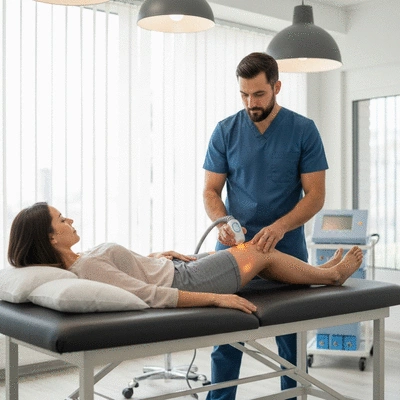
Moreover, it’s important to note that consistent treatments are often key to achieving optimal results. Many patients find that incorporating LLLT into their regular therapy regime yields the best outcomes, along with other complementary therapies like physiotherapy or acupuncture.
Choosing to explore LLLT involves weighing the potential benefits against the costs and any associated risks. Before committing, consider these factors:
At Erchonia Laser, we strive to empower individuals with knowledge about LLLT as a safe and effective pain management option. Our commitment to evidence-based information can help you make informed decisions that align with your health goals.
Cost is always a consideration when exploring treatment options. LLLT can often be more cost-effective compared to traditional pain relief methods, which may involve:
Many patients appreciate that LLLT is not only non-invasive but can also lead to substantial long-term savings by reducing reliance on medications and other treatments. Moreover, the growing body of evidence supporting LLLT’s effectiveness is encouraging for those seeking alternative solutions for chronic pain.
If you’re considering LLLT as part of your journey toward pain relief, the next steps are vital to ensure success. Engaging with your healthcare provider can help you understand how LLLT fits into your overall treatment plan.
Always remember, the path to wellness can be a collaborative effort. Together, we can navigate the options available, ensuring that you receive the best possible care tailored to your unique needs.
Discussing LLLT with your healthcare provider is essential. Here’s how to approach the conversation:
Having an open dialogue will help you make informed decisions and establish a collaborative approach toward managing your pain.
The field of LLLT is continually evolving, with ongoing research shedding light on its effectiveness. Staying informed about the latest findings can enhance your understanding and allow you to make the best choices for your health. Following reputable sources, like Erchonia Laser, can provide valuable insights into new studies, advancements, and treatment options.
Professional associations play a significant role in advancing the practice of LLLT. They provide resources, guidelines, and ongoing education opportunities for healthcare providers. Engaging with these organizations can improve the quality of care you receive. Consider seeking out certified practitioners who stay connected with these associations to ensure you benefit from the latest best practices in LLLT.
Here is a quick recap of the important points discussed in the article:
Erchonia Laser Research: New Insights
Curious about how light can heal? Low-level laser therapy (LLLT) is emerging as a groundbreaking, no
Erchonia Laser Therapy and Mental Health

Curious about how light can illuminate not just your path, but also your mental well-being? Low-leve
Emerging Trends in Laser Therapy
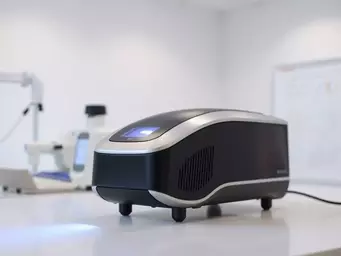
How prepared are you for the future of healthcare? In an era where technology meets medicine, unders
Erchonia Laser Research: New Insights
Erchonia Laser Therapy and Mental Health
Emerging Trends in Laser Therapy
Myths About Low-Level Laser Therapy
Understanding Erchonia's Dual-Wavelength Lasers