
Erchonia Laser Therapy: Cost Breakdown
- Initial Consultation: Generally lower
- Per Session Cost: $50 - $150
- Insurance Coverage: Increasingly recognized

Have you ever considered how much chronic pain could be costing you financially? Surprisingly, chronic pain is estimated to burden the U.S. economy with over $635 billion annually. Erchonia Laser Therapy offers a promising alternative that not only targets pain relief but also presents a more cost-effective treatment option.
This visual illustrates the cost-effectiveness of Erchonia Laser Therapy by comparing its typical costs and savings against traditional pain management methods.
As the demand for effective pain management solutions grows, it's essential to explore the economic viability of treatments like Erchonia Laser Therapy. This innovative approach not only offers a non-invasive alternative to traditional methods but also presents a compelling case for cost-effectiveness. Understanding how Erchonia Laser Therapy works and its financial implications can empower both patients and practitioners in their healthcare decisions.
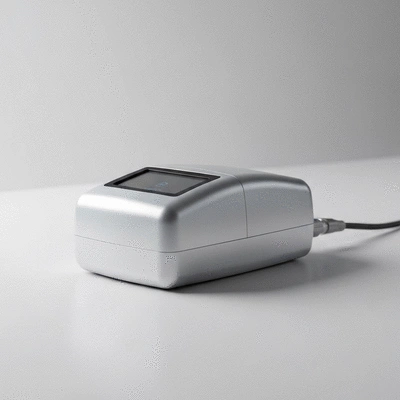
At Erchonia Laser, we're dedicated to sharing knowledge about low-level laser therapy (LLLT) and its practical applications. By diving into the details of how this therapy operates, we can illuminate its potential for both individual wellness and broader economic benefits.
Erchonia Laser Therapy employs low-level laser technology to stimulate cellular activity, promoting healing and reducing pain without the need for invasive procedures. Imagine it as a gentle, rejuvenating boost to your body's natural healing processes! With specific wavelengths of light, LLLT targets damaged tissues, enhancing recovery and alleviating discomfort.
This therapy operates on the principle of stimulating cellular response, which can lead to significant improvements in pain management and overall health. By harnessing the power of light, Erchonia Laser Therapy offers a refreshing alternative that aligns with our mission of promoting non-invasive healing solutions.
When weighing treatment options, understanding the cost differences is crucial. Traditional pain management methods often involve surgeries, medications, and lengthy rehabilitation periods that can be financially burdensome. In contrast, Erchonia Laser Therapy typically presents a more cost-effective solution.
By comparing the costs of these treatment modalities, it becomes clear that Erchonia Laser Therapy not only addresses pain but does so in a way that is more financially accessible for patients and healthcare providers alike.
To further illustrate the economic advantage, let’s break down the typical costs associated with LLLT:
This cost breakdown showcases how engaging in LLLT can be an economically savvy choice. As practitioners, we aim to provide patients with transparent information to make informed decisions.
One of the most compelling reasons to consider Erchonia Laser Therapy is the potential savings from avoiding more invasive treatments. Patients who choose LLLT can often steer clear of costly surgeries and long-term medication regimens.
These savings can significantly impact overall healthcare costs for individuals, making LLLT an attractive option for many.
The landscape of healthcare costs related to pain management is complex, but it's important to recognize how Erchonia Laser Therapy fits into this puzzle. The burden of chronic pain often leads to substantial healthcare expenditures, which can be alleviated with the adoption of effective therapies like LLLT.
By addressing pain early and effectively with Erchonia Laser Therapy, we can help mitigate these escalating healthcare costs and improve the quality of life for countless individuals.
Did you know? Discussing the economic benefits of Erchonia Laser Therapy with your healthcare provider can help you gain a clearer understanding of how this treatment might save you money in the long run. Be sure to ask about specific cost comparisons with traditional therapies and any potential insurance coverage!
When considering Erchonia Laser Therapy, it’s essential to weigh both the economic and health benefits. This analysis can help you appreciate how non-invasive treatments stack up against traditional options. I often speak with patients who wonder if LLLT is the right choice for them, and understanding the cost-benefit aspect can provide clarity!
Here’s what you should know:
By evaluating these points, it becomes clear that embracing LLLT is not just a treatment change; it’s a strategic decision toward a more effective, sustainable approach to pain management.
It’s vital to consider the cost-effectiveness of non-invasive treatments like LLLT compared to traditional options. Patients often find that while there is a cost associated with the treatment, the benefits far outweigh it in the long run. In my experience, I’ve seen many patients experience significant pain relief without the need for expensive medications or invasive procedures.

To illustrate the economic advantages, here are a few key comparisons:
Ultimately, the decision to pursue LLLT is not just about immediate financial considerations; it’s about enhancing overall health and well-being in a cost-efficient manner.
As you ponder whether low-level laser therapy is the right fit for your healthcare needs, I encourage you to consult with your healthcare provider. They can help clarify the benefits of LLLT based on your specific circumstances. It’s important to ensure that any treatment aligns with your health goals and lifestyle.
Remember, making an informed decision is key! Here are some questions you might want to consider asking:
By engaging in open conversations with your healthcare provider, you’ll be better equipped to determine if LLLT is the right choice for you.
Now that you understand the cost-benefit analysis of Erchonia Laser Therapy, it’s time to take the next steps! Engaging with this innovative treatment can pave the way for a brighter, pain-free future. I’ve witnessed firsthand the positive impact of LLLT, and I believe it can make a difference for you too.
Approaching your healthcare provider about LLLT may feel daunting, but it’s a vital step in your pain management journey. Prepare yourself with questions and information you’ve gathered. Here’s how you can start the conversation:
Establishing a dialogue about LLLT can help you and your provider find the best treatment path for your needs.
If you’re intrigued and want to learn more about low-level laser therapy, there are many valuable resources available. At Erchonia Laser, we strive to provide comprehensive information that empowers both healthcare professionals and patients. Here are some starting points for further exploration:
Exploring these resources can deepen your understanding and help you make an informed decision about incorporating LLLT into your healthcare routine.
As you delve into the world of LLLT, remember that patient-centered care is paramount. It’s essential to prioritize your needs and preferences in the treatment process. Here are some guidelines to keep in mind:
By adhering to these principles, you can ensure that your experience with Erchonia Laser Therapy is as effective and rewarding as possible!
Here is a quick recap of the important points discussed in the article:
Erchonia Laser Research: New Insights
Curious about how light can heal? Low-level laser therapy (LLLT) is emerging as a groundbreaking, no
Erchonia Laser Therapy and Mental Health

Curious about how light can illuminate not just your path, but also your mental well-being? Low-leve
Emerging Trends in Laser Therapy
How prepared are you for the future of healthcare? In an era where technology meets medicine, unders
Erchonia Laser Research: New Insights
Erchonia Laser Therapy and Mental Health
Emerging Trends in Laser Therapy
Myths About Low-Level Laser Therapy
Understanding Erchonia's Dual-Wavelength Lasers