
Key Concept: What is Low-Level Laser Therapy (LLLT)?
Utilizes specific light wavelengths to stimulate cellular activity, promoting healing & pain reduction.
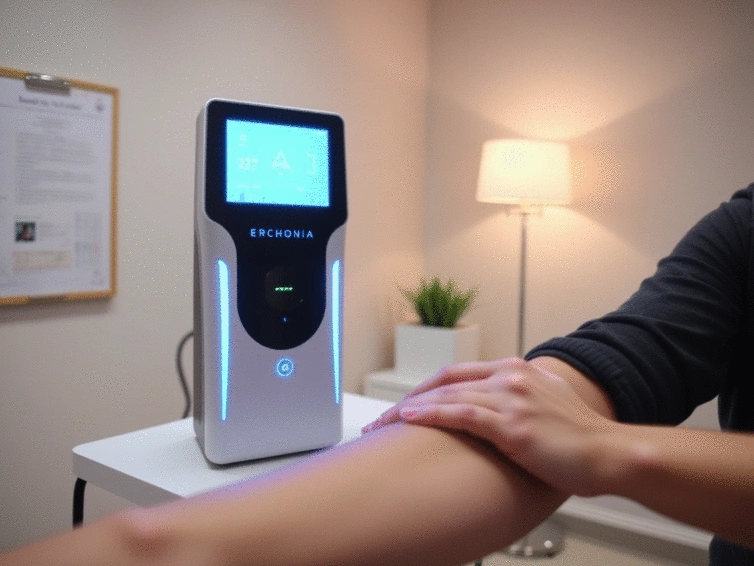
Curious about how light can heal? Low-level laser therapy (LLLT) is redefining pain management, promising a non-invasive path to recovery. Let’s uncover the key insights that could transform your understanding of this innovative treatment.
This visual summarizes the fundamental aspects of Low-Level Laser Therapy (LLLT) and the significant contributions of Erchonia devices, highlighting their scientific basis and clinical impact.
Utilizes specific light wavelengths to stimulate cellular activity, promoting healing & pain reduction.
Increased integration in multidisciplinary programs, personalized protocols, and first-line therapy recognition.
Low-level laser therapy (LLLT) is an innovative treatment option that harnesses the power of light to promote healing and reduce pain. This non-invasive technique has gained popularity for its effectiveness in various clinical applications, sparking interest among both healthcare professionals and patients. At Erchonia Laser, we are committed to educating you about LLLT, its mechanisms, and the remarkable results that can be achieved with the right devices.
So, let's dive into the essence of LLLT and explore how it can make a difference for those suffering from chronic pain.
At its core, low-level laser therapy (LLLT) utilizes specific wavelengths of light to stimulate cellular activity. This process encourages healing, reduces inflammation, and can alleviate pain effectively. Think of it as giving your body a gentle push to repair itself. In practice, this means that LLLT can help improve conditions like arthritis, tendonitis, and even chronic low back pain. For example, research published by the National Center for Biotechnology Information (NCBI) highlights the efficacy of low-level laser treatment for lower back pain, indicating its potential in managing persistent discomfort.
By understanding the fundamentals of LLLT, we can appreciate its role in modern healthcare, especially as it pertains to chronic pain management.
Erchonia Laser stands out in the field of LLLT due to our commitment to research-backed solutions. Our devices are not just tools; they are the product of extensive scientific study and clinical validation. By focusing on our technology, we ensure that healthcare practitioners have access to the most effective treatments available.
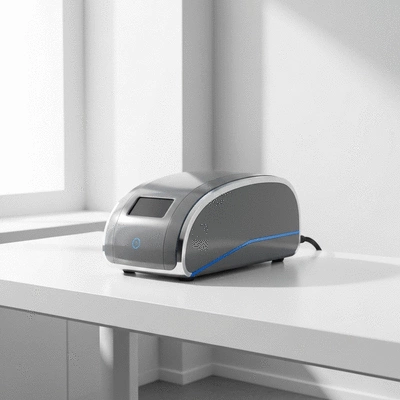
With Erchonia as your partner, you can trust that you are utilizing the best technologies available for achieving optimal patient outcomes.
Photobiomodulation (PBM) is the scientific principle that underlies LLLT. Essentially, when specific wavelengths of light penetrate the skin, they are absorbed by cells, leading to physiological changes. This can activate pathways that promote healing and reduce inflammation. For instance, detailed research available through PubMed Central delves into how photon energy wavelengths influence laser therapy, providing a deeper understanding of PBM's mechanisms. Understanding PBM is crucial for healthcare practitioners who wish to integrate LLLT into their practice effectively.
By exploring the intricate science of PBM, we can better appreciate why LLLT is an outstanding choice for non-invasive healing solutions, especially with the advanced technology offered by Erchonia.
How do you feel about incorporating low-level laser therapy (LLLT) into your pain management strategies? Share your thoughts below:
The clinical impact of Erchonia devices in low-level laser therapy (LLLT) is significant, particularly in the realm of pain management. As I reflect on my experience with these devices, I see how they have transformed patient care by providing non-invasive relief. With ongoing research supporting their efficacy, healthcare professionals are increasingly recognizing the potential of Erchonia's technology.
Through extensive studies and real-world applications, we've seen consistent outcomes that speak to their effectiveness. This not only empowers practitioners but also instills hope in patients seeking relief from chronic pain. By sharing insights and clinical data, we aim to highlight the importance of adopting these innovative solutions in everyday practice.
Looking ahead, I believe that the future of low-level laser therapy holds immense promise. As technology continues to evolve, we can expect Erchonia devices to play a pivotal role in advancing pain management strategies. Here are a few trends I anticipate:
These trends not only reflect the growing body of evidence supporting LLLT but also underscore the commitment of Erchonia to innovate and improve healthcare practices.
As healthcare professionals, making informed decisions is crucial for incorporating LLLT into our practices. I encourage my peers to engage with the latest research and clinical findings surrounding Erchonia devices. Here are some key considerations:
By fostering an informed community, we can maximize the benefits of LLLT for our patients and elevate the standard of care.
Establishing clear clinical guidelines is essential for the effective use of Erchonia devices in patient care. Here are some fundamental guidelines to consider:
By adhering to these guidelines, we can ensure that our patients receive the most effective and safe care possible.
Staying informed about the latest advancements in low-level laser therapy is vital for both healthcare professionals and patients alike. I encourage you to subscribe to our blog for ongoing insights, research updates, and practical tips about LLLT. This way, you can remain at the forefront of this innovative treatment approach!

If you're considering integrating Erchonia devices into your practice, here are some factors to keep in mind:
Taking these steps can help facilitate a smooth implementation of LLLT, ultimately benefiting your patients.
Finally, performing a health technology assessment is essential when evaluating laser therapy options. This involves:
By conducting thorough evaluations, we can ensure that we are making informed choices that benefit our practice and our patients.
Here is a quick recap of the important points discussed in the article:
Erchonia Laser Research: New Insights
Curious about how light can heal? Low-level laser therapy (LLLT) is emerging as a groundbreaking, no
Erchonia Laser Therapy and Mental Health

Curious about how light can illuminate not just your path, but also your mental well-being? Low-leve
Emerging Trends in Laser Therapy
How prepared are you for the future of healthcare? In an era where technology meets medicine, unders
Erchonia Laser Research: New Insights
Erchonia Laser Therapy and Mental Health
Emerging Trends in Laser Therapy
Myths About Low-Level Laser Therapy
Understanding Erchonia's Dual-Wavelength Lasers