
1 Efficacy & Benefits
- • Significant pain reduction
- • Decreased inflammation
- • Promotes natural healing
- • Effective for musculoskeletal/neurological disorders
Non-invasive & safe treatment.
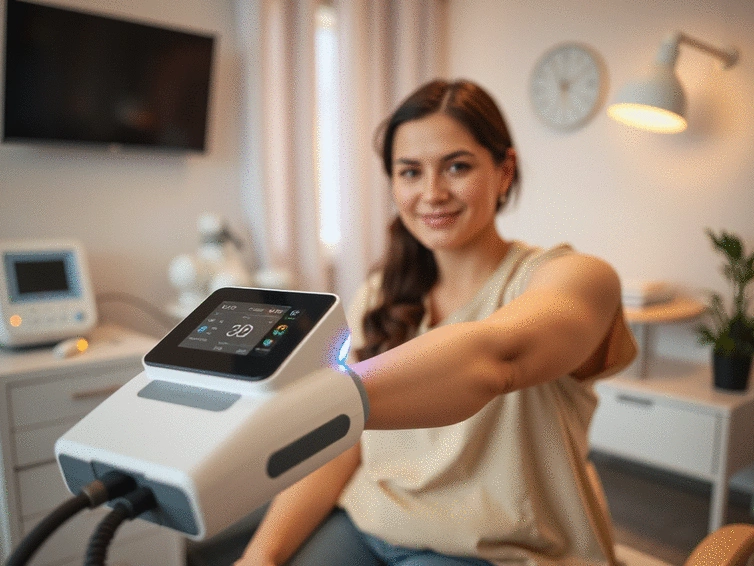
What if you could alleviate chronic pain without invasive procedures? Low-Level Laser Therapy (LLLT) is emerging as a revolutionary option, using light to stimulate healing and improve quality of life. Here’s what you can learn about this innovative therapy.
Low-Level Laser Therapy (LLLT) offers a non-invasive approach to pain management. Below, we highlight its core benefits and the ongoing commitment to research for optimizing treatment protocols.
Non-invasive & safe treatment.
Continuous studies for best practices.
Low-Level Laser Therapy (LLLT) is an innovative approach to pain management that utilizes specific wavelengths of light to stimulate cellular activity. This therapy is non-invasive and offers a promising alternative for those seeking relief from chronic pain. At Erchonia Laser, we believe in empowering both patients and healthcare professionals with comprehensive knowledge about LLLT and its benefits.
The mechanism behind LLLT is rooted in photobiomodulation, a process where light energy is absorbed by cells, facilitating healing and reducing inflammation. Understanding how this works can be key to appreciating the potential of LLLT in various medical applications.
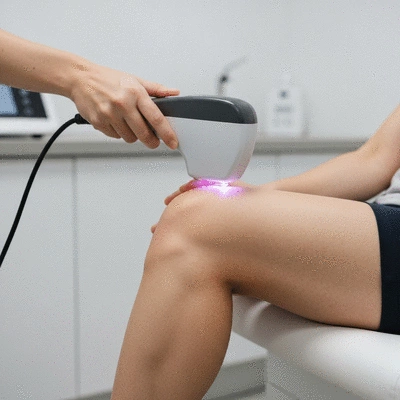
At its core, LLLT involves the application of low-intensity lasers to stimulate healing processes in the body. The light penetrates the skin, reaching tissues and cells, which then absorb the energy. This absorption initiates a series of biological events, including increased ATP (adenosine triphosphate) production—essentially energizing cells to promote healing.
In my clinical experience, many patients report feeling a noticeable difference after just a few sessions, which can be incredibly encouraging for those who have struggled with persistent pain. The beauty of LLLT lies in its ability to support the body's own recovery mechanisms.
Photobiomodulation plays a significant role in addressing a variety of chronic conditions. By enhancing cellular function, LLLT can help regulate inflammatory responses and improve circulation. This is particularly vital for individuals dealing with conditions like arthritis or fibromyalgia, where inflammation is often a significant contributor to pain. For example, recent research indicates a positive impact of LLLT on pain relief and functionality, suggesting its potential as a complementary therapy.
In essence, by harnessing the power of light, we can encourage the body to heal itself more effectively. This approach not only aligns with a holistic view of health but also provides patients with a sense of empowerment in their healing journey.
As an advocate for evidence-based practices, I prioritize the importance of scientific research in validating the efficacy of LLLT. Numerous studies have demonstrated its effectiveness in reducing pain and improving function in various populations. These insights play a crucial role in guiding healthcare professionals in their treatment approaches. For instance, a recent study published on PubMed illustrates the effectiveness of LLLT in chronic pain syndromes, providing valuable data for clinicians.
At Erchonia Laser, we continuously monitor the latest research to ensure our community has access to the most reliable information. Through this commitment, we strive to foster a deeper understanding of LLLT, empowering individuals to make informed decisions about their health.
When considering Low-Level Laser Therapy (LLLT), one of the best practices is to maintain open communication with your healthcare provider. Ask them about integrating LLLT with your existing treatment plan and discuss any specific concerns or expectations you may have. This collaborative approach can lead to a more personalized and effective treatment strategy, maximizing the benefits of LLLT for your health.
Here are some common questions regarding LLLT, its applications, and its benefits:
As we reflect on the body of research surrounding low-level laser therapy (LLLT), several key points emerge regarding its efficacy and safety for chronic conditions. Numerous studies demonstrate that LLLT can significantly reduce pain and inflammation, promoting healing in a variety of musculoskeletal and neurological disorders. Furthermore, it offers a non-invasive alternative to traditional treatments, allowing patients to explore options without the burdens of surgery or medications.

When considering the future of LLLT, it’s essential to recognize the ongoing need for research. While the evidence is promising, more systematic reviews and clinical trials are crucial to further validate the long-term benefits and optimize treatment protocols. Understanding the nuances of how LLLT interacts with different conditions will empower both healthcare providers and patients to make informed decisions.
These key points reinforce the importance of LLLT as a viable therapy in managing chronic conditions. At Erchonia Laser, we believe that staying informed about ongoing research will help shape future treatment avenues and increase awareness of LLLT's benefits.
Deciding whether LLLT is the right course of action for your chronic condition can feel overwhelming. However, consulting with healthcare professionals experienced in LLLT can provide clarity and guidance tailored to your specific needs. They can evaluate your condition, discuss the potential benefits of LLLT, and help you navigate your treatment options.
Here are some steps you can take when considering LLLT:
By taking these steps, you can make a well-informed decision about whether LLLT is a suitable path for your journey toward improved health and wellness.
At Erchonia Laser, we are committed to empowering individuals with knowledge about low-level laser therapy. Staying engaged with the latest research and developments is essential for making informed choices about your health. We encourage you to be proactive in your learning!
Join our community by subscribing to our newsletter! We provide regular updates on advancements in LLLT, share patient success stories, and offer insights into the latest research findings. Keeping informed about these developments can enhance your understanding and ability to make educated decisions regarding your treatment.
Your voice matters! We invite you to engage with us and others in our community who are passionate about LLLT and chronic conditions. Share your experiences, ask questions, and connect with like-minded individuals who are exploring non-invasive healing options. Together, we can foster a supportive environment where knowledge and experiences are shared for the benefit of all.
Here is a quick recap of the important points discussed in the article:
Erchonia Laser Research: New Insights
Curious about how light can heal? Low-level laser therapy (LLLT) is emerging as a groundbreaking, no
Erchonia Laser Therapy and Mental Health

Curious about how light can illuminate not just your path, but also your mental well-being? Low-leve
Emerging Trends in Laser Therapy
How prepared are you for the future of healthcare? In an era where technology meets medicine, unders
Erchonia Laser Research: New Insights
Erchonia Laser Therapy and Mental Health
Emerging Trends in Laser Therapy
Myths About Low-Level Laser Therapy
Understanding Erchonia's Dual-Wavelength Lasers