
What is LLLT?
- Non-invasive treatment
- Reduces pain & inflammation
- Versatile applications
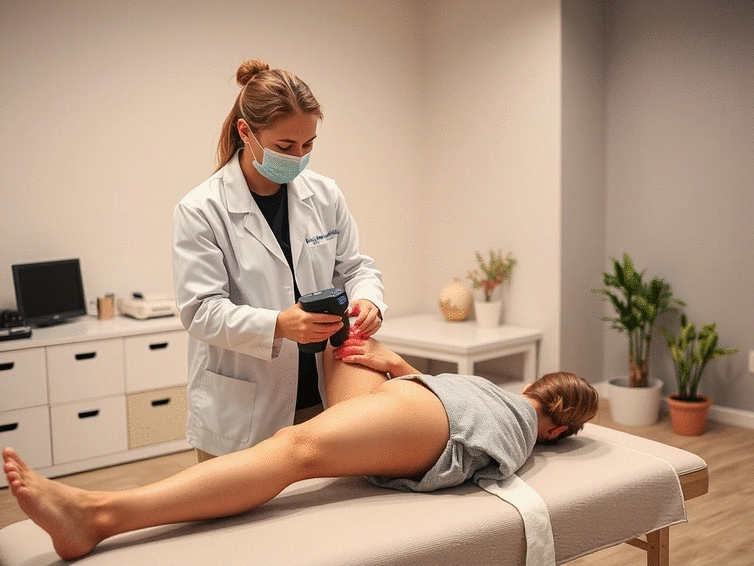
Curious about how pain management can evolve beyond traditional methods? Low-level laser therapy (LLLT) offers a revolutionary, non-invasive approach that is transforming recovery for many. Let's explore the essential insights into this powerful treatment.
Low-level laser therapy (LLLT) is a non-invasive treatment option that utilizes light to stimulate cellular activity, promoting healing and pain relief. Below is a visual representation of key aspects and benefits of LLLT in musculoskeletal healing.
At Erchonia Laser, we believe in the power of low-level laser therapy (LLLT) as a groundbreaking non-invasive treatment option for musculoskeletal injuries. It's essential to understand what LLLT is and how it works to appreciate its role in promoting healing. This therapy utilizes specific wavelengths of light to stimulate cellular activity, which can lead to pain relief and enhanced recovery—without the need for medication or invasive procedures!
With numerous FDA clearances backing its safety, LLLT is gaining traction among both healthcare professionals and patients. My passion for educating others about this technology stems from my desire to see more individuals discover effective ways to manage their pain and improve their overall wellness.
Low-level laser therapy is a form of light therapy that employs low-intensity lasers or light-emitting diodes (LEDs) to stimulate healing processes in the body. The key concept is that this therapy harnesses light to activate cellular functions, which can significantly impact recovery times and pain management. For a deeper understanding of its therapeutic applications, you can explore resources like this overview of low-level laser therapy.
By integrating LLLT into treatment plans, I’ve witnessed remarkable transformations in my patients' lives. The potential to alleviate pain while fostering natural healing is a game-changer in the field of pain management!
Understanding the scientific principles behind LLLT can demystify how it works. At its core, LLLT encourages cellular activity by using light energy to stimulate mitochondria, the powerhouse of the cell. This stimulation enhances ATP production, the energy currency of cells, which accelerates the healing process. Further research into the mechanisms of photobiomodulation in pain relief highlights its effectiveness.
These mechanisms not only address acute injuries but also play a crucial role in managing chronic conditions. By harnessing the power of light, we open new pathways for healing that were previously hard to imagine!
Photobiomodulation (PBM) is the scientific term for the process by which cells respond to light exposure. When specific wavelengths penetrate the skin, they can lead to various beneficial cellular responses. This is where LLLT truly shines, as it effectively boosts the body’s natural healing capabilities. Studies such as this one on photobiomodulation therapy for pain further explain its efficacy.
As a practitioner deeply invested in the outcomes of my patients, I find it rewarding to witness how LLLT can initiate these cellular changes. By understanding PBM, we can better appreciate why LLLT is not just a treatment, but a pathway to a healthier, more resilient body!
What has been your experience with LLLT or other non-invasive therapies? Share your thoughts below:
Low-level laser therapy (LLLT) has emerged as a powerful tool in the treatment of musculoskeletal injuries. Its non-invasive nature and ability to promote healing make it an appealing option for many patients seeking relief from pain. As I share insights from my experience with Erchonia Laser, it’s clear that LLLT offers a range of benefits that can significantly enhance recovery times and improve overall patient satisfaction.
One of the standout features of LLLT is its versatility. Whether you're dealing with chronic pain, sports injuries, or arthritis, LLLT can be tailored to meet individual needs. Let's take a closer look at some compelling reasons to consider LLLT as a treatment option:
These factors make LLLT an attractive choice for anyone looking for effective pain management solutions. Clients often express their relief and appreciation after experiencing the gentle, yet effective, nature of this therapy.
A1: LLLT is a non-invasive treatment that uses low-intensity lasers or LEDs to stimulate cellular activity, promoting healing and pain relief without medication or invasive procedures.
A2: LLLT reduces pain by decreasing inflammation, increasing circulation, and stimulating cellular repair. It also helps alleviate pain sensations by acting on pain receptors.
A3: Photobiomodulation (PBM) is the scientific principle behind LLLT. It describes how specific wavelengths of light interact with cells to initiate beneficial responses, such as increased ATP production and collagen synthesis, boosting the body's natural healing capabilities.
A4: LLLT is generally considered very safe with minimal to no side effects. It is a non-invasive therapy that does not involve needles or surgical procedures.
A5: LLLT is versatile and effective for various musculoskeletal conditions, including chronic pain, sports injuries, arthritis, and other inflammatory conditions. It promotes accelerated healing and is complementary to other therapies.
Hearing from those who have undergone LLLT can be incredibly powerful in understanding its benefits. Patients often share transformative experiences that highlight the therapy's efficacy. Here’s a selection of testimonials from individuals who have found success with LLLT:
These real-life accounts reflect the diverse applications of LLLT and underscore its role as a reliable treatment option. At Erchonia Laser, we’re committed to sharing these success stories to inspire others to explore what LLLT can offer in their healing journey.
As you consider LLLT for your musculoskeletal issues, seeking professional guidance is essential. An experienced practitioner can help you navigate the best treatment plan tailored to your specific needs. Don’t hesitate to consult with experts who are knowledgeable about LLLT and its applications.
Finding the right practitioner can make a significant difference in your experience and outcomes. Here are some tips to help you in your search:
Your first appointment is an important step in the LLLT journey. During this visit, you can expect a thorough assessment of your condition, where the practitioner will evaluate your medical history and discuss your symptoms. This personalized approach helps ensure that your treatment plan aligns with your healing goals.
It’s also a great opportunity to ask questions about the procedure, treatment duration, and any concerns you may have. Being informed will empower you throughout the process!
As the field of pain management continues to evolve, expert opinions on LLLT are increasingly positive. Research supports its effectiveness, and many clinicians are advocating for its integration into conventional treatment protocols. As I often emphasize at Erchonia Laser, staying informed about advancements in LLLT can equip both patients and practitioners with valuable tools for better outcomes.
The future of LLLT looks bright, with ongoing research promising to uncover even more applications and enhancements of this innovative therapy. By embracing LLLT, we're not just treating pain; we're paving the way for a new era of healing.
Here is a quick recap of the important points discussed in the article:
Erchonia Laser Research: New Insights
Curious about how light can heal? Low-level laser therapy (LLLT) is emerging as a groundbreaking, no
Erchonia Laser Therapy and Mental Health

Curious about how light can illuminate not just your path, but also your mental well-being? Low-leve
Emerging Trends in Laser Therapy
How prepared are you for the future of healthcare? In an era where technology meets medicine, unders
Erchonia Laser Research: New Insights
Erchonia Laser Therapy and Mental Health
Emerging Trends in Laser Therapy
Myths About Low-Level Laser Therapy
Understanding Erchonia's Dual-Wavelength Lasers