
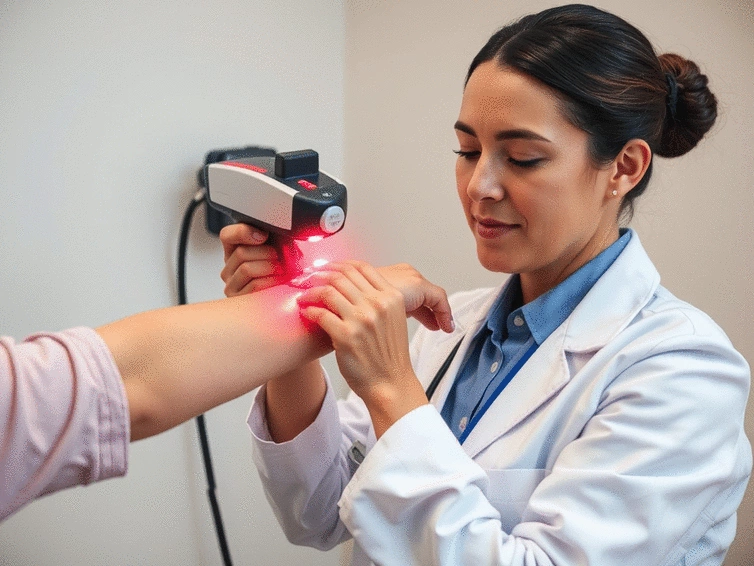
LLLT and Improved Blood Flow
Curious about how light can transform your health? Low-level laser therapy (LLLT) harnesses the power of specific light wavelengths to stimulate healing, enhance vascular activity, and promote overall wellness. Let’s explore the significant insights and benefits of this innovative treatment.
What You Will Learn
- LLLT utilizes low-energy lasers to stimulate biological processes, enhancing tissue regeneration and cellular function.
- Nitric oxide (NO) production is increased through LLLT, leading to improved blood flow and oxygen delivery, essential for healing.
- The therapy enhances adenosine release, which supports wound healing and tissue regeneration, actively promoting the body’s healing response.
- Different wavelengths (904 nm for deeper tissues and 670 nm for superficial tissues) allow for customized treatment strategies for vascular health.
- Clinical trials indicate significant improvements in conditions like Peripheral Artery Disease (PAD) and post-COVID recovery through regular LLLT sessions.
- Patient testimonials consistently highlight meaningful improvements in quality of life, including pain relief and enhanced recovery times.
LLLT: Wavelength Impact on Treatment Outcomes & Key Mechanisms
Low-level laser therapy (LLLT) effectively enhances vascular activity by leveraging specific wavelengths and biological mechanisms. The visual below details how different wavelengths target tissues and the cellular processes LLLT stimulates.
Understanding Low-Level Laser Therapy and Its Impact on Vascular Activity
Low-level laser therapy (LLLT) is a remarkable non-invasive treatment that utilizes specific wavelengths of light to stimulate biological processes in tissues. This innovative approach is gaining traction in the healthcare community, particularly for its ability to enhance vascular activity and promote healing. As someone deeply invested in the field of low-level laser therapy, I’m excited to share insights on how LLLT can impact vascular health.
At its core, LLLT involves the application of low-energy lasers to tissues, which can lead to beneficial effects such as reduced inflammation, increased circulation, and improved cellular function. This therapy is often described as a method to encourage your body to heal itself—much like giving a gentle nudge to a plant that needs a little sunlight to thrive.
What is Low-Level Laser Therapy (LLLT)?
Definition and Mechanism of Action
Low-level laser therapy, or LLLT, refers to the use of low-power lasers or light-emitting diodes (LEDs) to promote tissue regeneration and alleviate pain. The mechanics behind this therapy are fascinating! When light penetrates the skin, it is absorbed by cellular components involved in energy production. This process stimulates a series of biochemical reactions that can enhance cellular metabolism and promote healing.
In simple terms, think of LLLT as a way to energize your cells, helping them to work more efficiently and effectively. It’s like charging a battery—it gives your body the boost it needs to start the healing process!
Historical Context and Development of LLLT
The journey of LLLT began several decades ago, with early research focusing on the effects of light on biological tissues. Over time, studies have revealed significant benefits related to pain management and tissue healing. At Erchonia Laser, we have dedicated ourselves to advancing this knowledge, collaborating with healthcare professionals to validate the safety and efficacy of LLLT. Our commitment is reflected in numerous FDA clearances that underscore the reliability of our laser technology.
As we continue to explore the possibilities of LLLT, it's crucial to understand its biological mechanisms and potential applications in vascular health.
Key Biological Mechanisms Enhancing Vascular Circulation
Role of Nitric Oxide (NO) in Vasodilation
Nitric oxide (NO) plays a pivotal role in vasodilation, which is the widening of blood vessels. This process is essential for enhancing blood flow and oxygen delivery to tissues. LLLT has been shown to stimulate the production of NO, thereby promoting improved circulation. Imagine your blood vessels as roads—when they widen, more traffic can flow smoothly, delivering nutrients and oxygen where they are needed most.
- Increased vascular diameter
- Improved oxygenation of tissues
- Enhanced nutrient delivery
By harnessing the power of NO through LLLT, we can create a favorable environment for healing and recovery.
Adenosine and Growth Factors in Vascular Health
Adenosine, a signaling molecule, is another key player in vascular health. It works in tandem with growth factors to facilitate wound healing and tissue regeneration. LLLT enhances the release of adenosine, which can lead to improved cell proliferation and migration—the processes crucial for repairing damaged tissues. This means that with LLLT, we’re not just treating symptoms; we’re actively promoting the body’s healing response!
Impact of Wavelengths (904 nm vs. 670 nm) on Treatment Outcomes
The effectiveness of LLLT also hinges on the specific wavelengths used during treatment. For instance, wavelengths around 904 nm primarily penetrate deeper tissues, making them ideal for conditions affecting deeper structures. Conversely, wavelengths around 670 nm are more effective in treating superficial tissues. Choosing the right wavelength is essential to achieving optimal outcomes in vascular health.
- 904 nm: Deeper tissue penetration
- 670 nm: Effective for superficial conditions
This strategic selection of wavelengths allows us to tailor treatments to individual needs, maximizing their effectiveness.
Understanding Photobiomodulation and Its Role in Tissue Regeneration
Photobiomodulation (PBM) is the scientific term for the process through which LLLT exerts its therapeutic effects. By absorbing light, cells initiate photochemical reactions that lead to various biological responses. These reactions can stimulate collagen production, reduce inflammation, and enhance tissue repair. At Erchonia Laser, we are dedicated to educating both healthcare professionals and patients about PBM and its profound implications for healing.
In essence, PBM is like giving your cells a much-needed boost, enabling them to repair and regenerate more effectively. With LLLT, we’re not just addressing pain; we’re paving the way for overall wellness and recovery!
We Want to Hear From You!
What aspect of Low-Level Laser Therapy (LLLT) interests you the most? Is it the science behind its mechanisms, the real-world patient testimonials, or the potential future innovations? Share your thoughts below:
Frequently Asked Questions about LLLT and Vascular Health
- What is Low-Level Laser Therapy (LLLT)?
- LLLT is a non-invasive treatment that uses low-power lasers or light-emitting diodes (LEDs) to stimulate biological processes, promote tissue regeneration, and alleviate pain. It works by energizing cells to enhance their function and promote healing.
- How does LLLT improve vascular activity?
- LLLT primarily improves vascular activity by stimulating the production of Nitric Oxide (NO), which causes vasodilation (widening of blood vessels). This leads to increased blood flow, improved oxygenation, and enhanced nutrient delivery to tissues.
- What role do different wavelengths play in LLLT?
- Different wavelengths target different tissue depths. A wavelength of 904 nm is used for deeper tissue penetration, making it suitable for conditions affecting internal structures. A wavelength of 670 nm is effective for superficial conditions, treating tissues closer to the skin's surface.
- Can LLLT help with wound healing?
- Yes, LLLT enhances the release of adenosine, a signaling molecule that promotes cell proliferation and migration, which are crucial processes for wound healing and tissue regeneration.
- What conditions has LLLT shown improvement in?
- Clinical trials and patient testimonials indicate that LLLT can improve conditions such as Peripheral Artery Disease (PAD) by increasing blood flow, provide significant pain relief for heart failure patients, and enhance healing rates in post-COVID recovery patients.
Summarizing the Benefits of LLLT for Vascular Circulation
Low-Level Laser Therapy (LLLT) has emerged as a promising approach to enhance vascular circulation, and its benefits are becoming increasingly recognized across both clinical and personal settings. As we delve into the real-world impacts of LLLT, it’s inspiring to see how patients have experienced significant improvements in their vascular health. This section aims to highlight key findings and share insights from those who have directly benefited from this innovative therapy.
From my experience at Erchonia Laser, I’ve witnessed firsthand the transformative power of LLLT. Every success story adds a new layer to our understanding of how laser therapy can improve healing and circulation. Let’s look at some compelling evidence and testimonials that underscore the effectiveness of LLLT in promoting vascular health.
Real-World Impact and Patient Testimonials
Numerous clinical trials have showcased the benefits of LLLT in enhancing vascular circulation. These studies have provided valuable insights into its safety and efficacy. Here are a few notable findings:
- Increased blood flow observed in patients with Peripheral Artery Disease (PAD) after regular LLLT sessions.
- Significant pain relief reported by heart failure patients, allowing for improved quality of life.
- Enhanced healing rates in post-COVID recovery patients, illustrating LLLT's role in managing complications. For instance, a clinical trial is exploring the use of low-level laser therapy for muscle training combined with neuromuscular electrical stimulation and blood flow restriction.
These results are encouraging, but let’s not forget the real experiences of patients who have undergone LLLT. Many have shared their stories, providing a personal touch to the clinical data.
Insights from Clinical Trials and Studies
Clinical trials investigating LLLT have consistently revealed positive outcomes. Some key insights include:
- Improved endothelial function, which is crucial for vascular health.
- Reductions in inflammation markers associated with various vascular conditions.
- Promising results in tissue regeneration, particularly in patients recovering from chronic wounds. For example, ongoing research continues to explore the enhancement effect of LLLT for muscle training.
These findings not only validate the effectiveness of LLLT but also pave the way for broader acceptance in clinical practices. As healthcare professionals, we must embrace this evidence and consider how it can enhance our treatment options.
Patient Experiences and Case Studies
At Erchonia Laser, we have collected numerous patient testimonials that highlight the profound impact of LLLT on their lives. Here are a few highlights:
- A middle-aged patient with chronic pain due to PAD reported significant improvements in walking distance and reduced discomfort.
- Another patient shared their success story of recovering from a post-COVID condition, attributing their enhanced stamina and well-being to LLLT.
- Several case studies documented quicker recovery times in patients with surgical wounds, showcasing LLLT’s healing properties.
These testimonials serve as a powerful reminder of why we advocate for LLLT and its potential to revolutionize vascular care.
Next Steps for Patients and Healthcare Providers
As we acknowledge the benefits of LLLT, it’s essential to consider the next steps for both patients and healthcare providers. Being informed and proactive can make all the difference in the adoption of LLLT in clinical settings.
Here’s how we can proceed:
Evaluating the Potential for LLLT Adoption in Clinical Practice
Healthcare providers should assess the feasibility of integrating LLLT into their treatment protocols. Key considerations include:
- Understanding the specific conditions where LLLT can be most beneficial.
- Training staff on LLLT applications and safety protocols.
- Collecting data on patient outcomes to further understand its efficacy.
By evaluating these factors, we can make informed decisions on whether to incorporate LLLT into our practice.
Encouraging Informed Decisions on LLLT Treatments
For patients considering LLLT, it’s vital to seek information and guidance from trusted healthcare providers. Here’s how you can make informed choices:
- Ask questions about LLLT and its potential benefits for your specific condition.
- Request to see clinical evidence or testimonials from other patients.
- Discuss any concerns or fears with your healthcare provider to ensure a supportive treatment approach.
Taking these steps empowers patients to make decisions that align with their health goals.
Exploring Future Innovations in Laser Therapy for Vascular Health
The future of LLLT is bright, with ongoing research and innovations in laser technology continually enhancing its applications. As we look ahead, we can expect:
- New wavelengths and delivery methods that may improve treatment outcomes.
- Further studies validating the long-term benefits of LLLT in vascular health.
- Increased interest in personalized treatment plans that cater to individual patient needs.
At Erchonia Laser, we are excited to explore these innovations and advocate for the continued development of LLLT as a cornerstone of vascular health management.
Recap of Key Points
Here is a quick recap of the important points discussed in the article:
- Low-Level Laser Therapy (LLLT) is a non-invasive treatment that enhances vascular activity and promotes healing through specific wavelengths of light.
- LLLT works by stimulating biological processes such as increased nitric oxide production, which aids in vasodilation and improves blood circulation.
- The effectiveness of LLLT varies with the choice of wavelength, with 904 nm penetrating deeper tissues and 670 nm effective for superficial conditions.
- Clinical trials have shown significant improvements in vascular health, including increased blood flow and reduced inflammation markers.
- Both patients and healthcare providers should be informed and proactive in exploring LLLT as a viable treatment option for various conditions.

Erchonia Laser Research: New Insights
Erchonia Laser Therapy and Mental Health
Emerging Trends in Laser Therapy
Myths About Low-Level Laser Therapy
Understanding Erchonia's Dual-Wavelength Lasers