
1
Stimulation of mitochondrial activity for enhanced energy production.
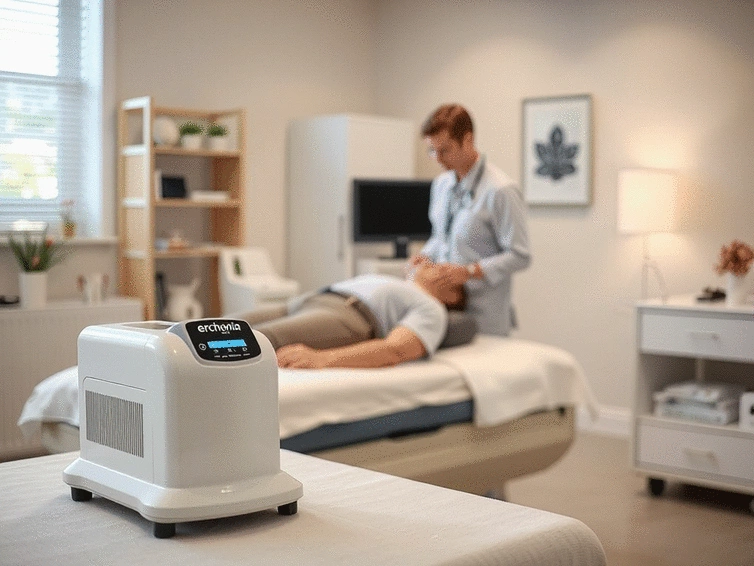
What if you could alleviate chronic pain without invasive procedures? The power of low-level laser therapy (LLLT) is reshaping pain management, and here are the essential insights you need to understand its impact.
Delve into the compelling evidence supporting Erchonia laser therapy's effectiveness in reducing inflammation and promoting healing, as highlighted by recent clinical findings and cellular mechanisms.
Stimulation of mitochondrial activity for enhanced energy production.
Reduction of pro-inflammatory cytokines to calm inflammation.
Promotion of collagen synthesis for tissue repair.
At Erchonia Laser, we are dedicated to sharing the transformative benefits of low-level laser therapy (LLLT) and its ability to reduce inflammation. The latest research and clinical trials have shed light on how our lasers, particularly the Erchonia FX 635, can significantly improve patient outcomes by targeting inflammation at its source.
In our exploration of these findings, it’s clear that LLLT is making waves in pain management, offering a viable non-invasive alternative for individuals suffering from chronic conditions. Clinicians and patients alike are becoming more aware of the power this technology holds in addressing inflammation and enhancing recovery.
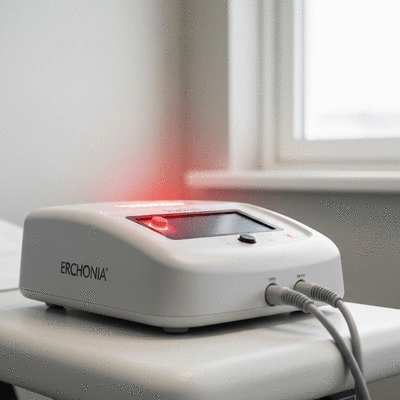
Recent clinical trials have provided compelling evidence supporting the effectiveness of Erchonia laser therapy, particularly in reducing inflammation. Here are some key findings:
These findings underscore the role of Erchonia lasers in not only alleviating pain but also facilitating healing by addressing the underlying inflammation. It’s exciting to see how patient outcomes are improving, allowing individuals to reclaim their lives!
How do these lasers achieve such remarkable results? The answer lies in their ability to operate at a cellular level. The Erchonia FX 635 and similar devices utilize specific wavelengths of light, which interact with cellular components to modulate inflammation and promote tissue repair.
This process involves:
Understanding these mechanisms can empower healthcare providers to leverage Erchonia lasers effectively, ensuring optimal treatment protocols for their patients. It’s all about helping the body heal itself naturally!
At the core of our laser therapy is the principle of photobiomodulation (PBM), a process that has proven effective in managing both inflammation and chronic pain. PBM involves using light to stimulate biological processes, leading to pain relief and recovery. Research published in PubMed provides further insights into the therapeutic effects of PBM.
Key aspects of PBM include:
As we continue to delve into the science of laser therapy, it’s evident that photobiomodulation offers a promising approach to addressing pain and enhancing recovery. This innovative treatment is changing lives and providing hope for those who have struggled with chronic pain!
As we move forward, understanding the efficacy and safety of Erchonia devices is crucial. In the next sections, we’ll delve deeper into clinical trial results, FDA clearances, and the safety profiles of our lasers to provide a comprehensive view of their clinical applications.
Here's a brief recap of the key points discussed so far:
As we reflect on the comprehensive research surrounding Erchonia laser therapy, it’s evident that the efficacy and safety of these devices have garnered significant attention. The clinical outcomes highlight the potential of low-level laser therapy (LLLT) in reducing inflammation and providing relief to patients suffering from chronic pain. From our experience at Erchonia Laser, these findings resonate with the positive patient stories we encounter regularly.
Across various studies, the mechanisms of action have shown to effectively modulate inflammatory responses at a cellular level. This insight not only strengthens our understanding of LLLT but also encourages further exploration into its clinical applications.
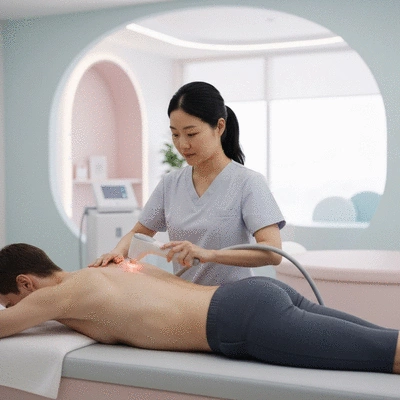
Looking ahead, it's essential to identify the gaps that still exist in the literature. While we have promising results, we need more evidence from independent, large-scale trials to fully grasp the long-term benefits and biological mechanisms of Erchonia lasers. Key areas of focus include:
By addressing these gaps, we can enhance the foundation of knowledge surrounding Erchonia laser therapy and bolster its acceptance in clinical practice.
At Erchonia Laser, we believe that fostering patient engagement is crucial for successful treatment outcomes. Encouraging patients to share their experiences with laser therapy can enhance clinical practices and promote better health management. This feedback loop not only informs clinicians but also empowers patients to take an active role in their recovery journey.
By integrating Erchonia laser therapy into their treatment protocols, clinicians can offer patients a non-invasive option that aligns with their wellness goals. The positive feedback we receive from patients reinforces the transformative impact of this therapy.
The contributions of laser therapy to patient satisfaction and quality of life are substantial. Many patients report improvements in their overall health outcomes when utilizing Erchonia lasers for chronic pain management. Key benefits include:
These findings underscore the importance of patient-reported outcomes in evaluating the success of treatment modalities. By recognizing the positive effects of Erchonia laser therapy, we can inspire more healthcare providers to incorporate this innovative technology into their practices, ultimately benefiting more individuals on their path to wellness.
Here is a quick recap of the important points discussed in the article:
Erchonia Laser Research: New Insights
Curious about how light can heal? Low-level laser therapy (LLLT) is emerging as a groundbreaking, no
Erchonia Laser Therapy and Mental Health

Curious about how light can illuminate not just your path, but also your mental well-being? Low-leve
Emerging Trends in Laser Therapy
How prepared are you for the future of healthcare? In an era where technology meets medicine, unders

Erchonia Laser Research: New Insights
Erchonia Laser Therapy and Mental Health
Emerging Trends in Laser Therapy
Myths About Low-Level Laser Therapy
Understanding Erchonia's Dual-Wavelength Lasers