
How Erchonia LLLT Works
- Delivers focused light energy to injured tissues.
- Triggers photobiomodulation (light energy absorbed by cells).
- Enhances cellular function and accelerates healing.
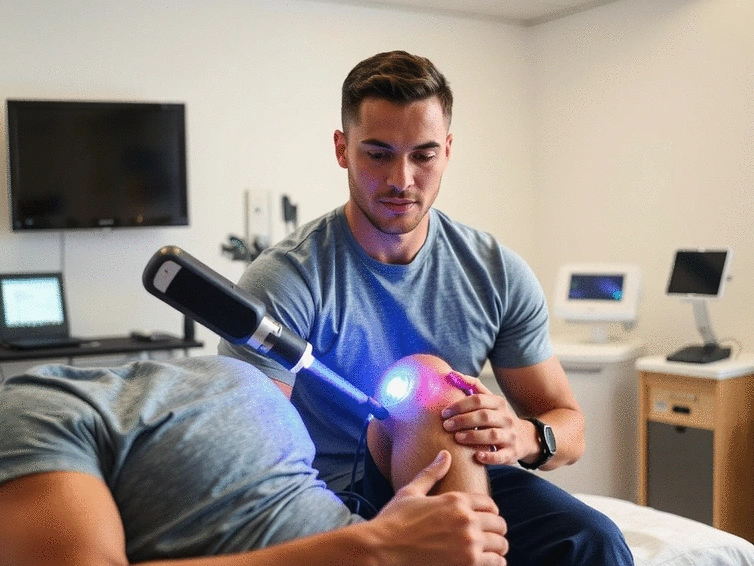
Curious about how athletes are accelerating their recovery from sports injuries? Low-level laser therapy (LLLT) is taking the sports world by storm, offering a non-invasive solution that promotes healing and reduces pain. In this section, we’ll uncover the key insights you can gain from understanding LLLT and how it can impact your recovery journey.
Low-level laser therapy (LLLT) accelerates healing by targeting key cellular processes. Below, we illustrate the core mechanisms and benefits.
At Erchonia Laser, we believe that understanding the science behind low-level laser therapy (LLLT) is crucial for athletes recovering from sports injuries. LLLT is a non-invasive treatment that utilizes specific wavelengths of light to stimulate healing processes in the body. This technique is becoming increasingly popular among athletes looking for effective recovery solutions without the need for invasive procedures.
So, what is LLLT exactly? It’s a therapeutic approach that can enhance recovery by reducing inflammation and promoting tissue repair. With my experience as a clinician, I've seen firsthand how this technology can make a significant difference in recovery times.
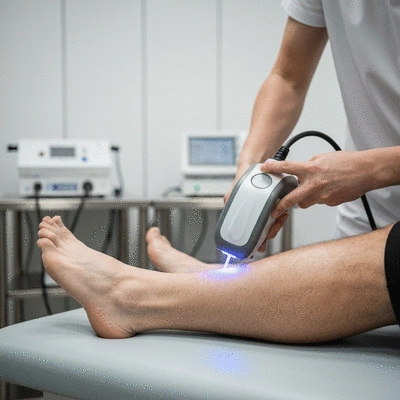
Low-level laser therapy is a form of phototherapy that uses low-intensity lasers to stimulate biological processes. Unlike high-powered lasers used in surgical procedures, LLLT operates at much lower intensities, making it safe and effective for various applications—including sports injury recovery. Many athletes are now turning to LLLT as an alternative or complementary treatment option.
It’s exciting to see how LLLT can enhance cellular function and accelerate healing, providing athletes with the support they need to get back to their game faster!
Erchonia LLLT works by delivering focused light energy to injured tissues, triggering biological responses that facilitate healing. One of the key mechanisms at play is photobiomodulation, a process where light energy is absorbed by cells, enhancing their function. This is crucial for athletes seeking to recover from injuries effectively.
Photobiomodulation is the cornerstone of LLLT. When light penetrates the skin, it interacts with chromophores in the cells, leading to a series of cellular events that promote healing. This process can substantially decrease inflammation and pain, which are common issues athletes face during recovery.
One of the fascinating aspects of LLLT is its ability to enhance ATP (adenosine triphosphate) production in mitochondria. ATP is often referred to as the "energy currency" of the cell, and increased ATP levels can lead to improved cellular metabolism and energy. This boost in energy can help tissues repair and regenerate more efficiently.
The healing process involves multiple stages, including inflammation, tissue formation, and tissue remodeling. By integrating LLLT into recovery protocols, we can support each of these stages. This means faster recovery times and a more effective return to sports. Athletes utilizing LLLT often report feeling better sooner, which is always a win!
When it comes to treating sports injuries, Erchonia LLLT offers targeted applications that can address a variety of conditions. Let’s look at some of these common injuries:
By focusing on these areas, we can tailor treatment plans to meet the unique needs of each athlete, enhancing their recovery journey and helping them achieve their sporting goals.
Did you know? Incorporating low-level laser therapy (LLLT) into your recovery plan can be even more effective when paired with other rehabilitation techniques. Consider combining LLLT with strength training and flexibility exercises to enhance healing and improve overall athletic performance!
As you consider incorporating Erchonia's Low-Level Laser Therapy (LLLT) into your injury recovery plan, it's crucial to understand the factors that influence your treatment choices. Cost, access, and treatment duration can vary significantly based on your location and the specific injuries you are dealing with. Let's dive into these aspects to help you make an informed decision!
Ultimately, assessing these elements will help you determine whether LLLT is the right fit for your recovery journey. It's about finding what works best for you and your specific circumstances!
Deciding whether to pursue LLLT for recovery can feel overwhelming, but it doesn't have to be! Consulting with a qualified healthcare professional can provide valuable insights into your specific injury and recovery goals. I always recommend discussing your options with a sports chiropractor or athletic trainer, as they can offer personalized advice based on your unique situation.
By collaborating with your healthcare team, you can confidently decide whether LLLT is a suitable addition to your recovery plan. Remember, the goal is to empower yourself with the right information!

If you're considering Erchonia LLLT for your recovery, your next step should be reaching out to healthcare providers who specialize in this therapy. They can offer expertise and support tailored to your needs. Whether it's a chiropractor, athletic trainer, or physical therapist, having a professional guide you through the process is invaluable.
Don't hesitate to ask them questions about their experience with LLLT, the treatment protocols they recommend, and how they integrate laser therapy into broader rehabilitation plans!
For those interested in delving deeper into the world of low-level laser therapy, I encourage you to explore reputable research articles and studies. Understanding the scientific background and clinical applications of LLLT will enhance your knowledge and confidence in this treatment option. For more research and advancements, you can visit Erchonia Laser's research articles.
This exploration can guide you towards optimal recovery techniques while ensuring you are well-informed about the treatments available to you. Remember, knowledge is power!
Rehabilitation is not just about recovery; it's also about enhancing your athletic performance. As you integrate LLLT into your treatment plan, consider exploring additional rehabilitation techniques. Combining laser therapy with strength training, flexibility exercises, and proper nutrition can lead to improved outcomes and a quicker return to your sport.
At Erchonia Laser, we're committed to providing you with the best resources and information to help you on your journey. Let’s work together to illuminate your path to healing and performance!
Here is a quick recap of the important points discussed in the article:
Erchonia Laser Research: New Insights
Curious about how light can heal? Low-level laser therapy (LLLT) is emerging as a groundbreaking, no
Erchonia Laser Therapy and Mental Health

Curious about how light can illuminate not just your path, but also your mental well-being? Low-leve
Emerging Trends in Laser Therapy
How prepared are you for the future of healthcare? In an era where technology meets medicine, unders

Erchonia Laser Research: New Insights
Erchonia Laser Therapy and Mental Health
Emerging Trends in Laser Therapy
Myths About Low-Level Laser Therapy
Understanding Erchonia's Dual-Wavelength Lasers