Welcome to Erchonia Laser. We are dedicated to providing you with insightful articles and expert knowledge in low-level laser therapy (LLLT). Explore and be inspired!
What if there was a way to alleviate pain without invasive procedures? Low-level laser therapy (LLLT) offers a revolutionary approach to healing, leveraging the power of light. In this overview, we’ll explore the essentials of LLLT and its significant benefits for both patients and practitioners.
What You Will Learn
Non-Invasive Treatment: LLLT provides a safe alternative to traditional procedures by avoiding cuts or incisions.
FDA Clearance: Many LLLT devices are FDA cleared, assuring their safety and effectiveness in clinical practice.
Mechanisms of Action: LLLT stimulates cellular processes that enhance healing and reduce inflammation, making it effective for pain management.
Consulting Professionals is Key: Engaging with qualified practitioners ensures tailored treatment plans and optimal safety for each patient.
Future Research Directions: There's a need for more studies on long-term effects and standardization of protocols in LLLT applications.
Key Aspects of Low-Level Laser Therapy (LLLT)
Low-level laser therapy (LLLT) is a non-invasive treatment utilizing specific light wavelengths to stimulate cellular healing. The core principles and future directions of LLLT are summarized below.
What is LLLT?
Utilizes specific wavelengths of light to stimulate healing processes. Non-invasive and FDA cleared.
• Optimal Protocols: Tailors dosage and frequency.
Research Gaps
Areas needing further investigation to enhance LLLT effectiveness and accessibility.
• Standardized Protocols: Established guidelines.
• Patient Variability: Influence on outcomes.
• Mechanistic Studies: Cellular process understanding.
Informed Decisions on LLLT
Empowering yourself with knowledge to make the best health choices.
✓ Assess Needs: Identify symptoms and research benefits.
✓ Find Qualified Practitioners: Seek credentials and reviews.
✓ Patient Education: Understand protocols and accessibility.
Understanding Low-Level Laser Therapy: An Overview
At Erchonia Laser, we believe in the transformative power of low-level laser therapy (LLLT). This innovative treatment offers a gentle, non-invasive solution for pain relief and recovery. But what exactly is LLLT? Let’s dive into its fundamentals.
What is Low-Level Laser Therapy (LLLT)?
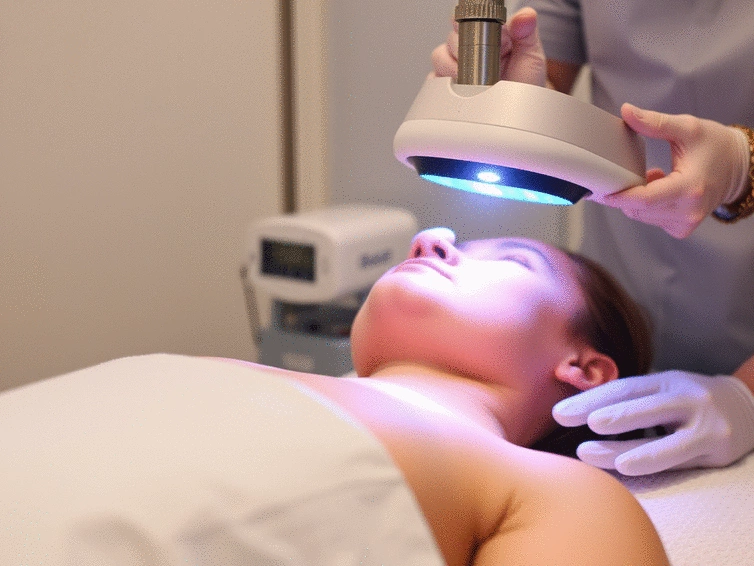
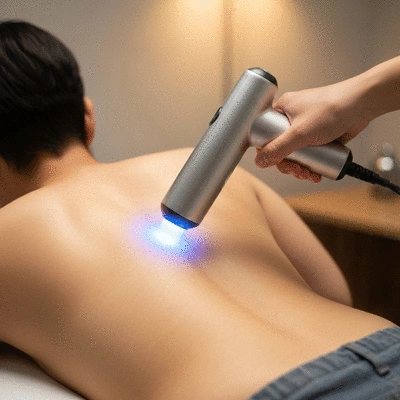
Low-level laser therapy, also known as photobiomodulation, utilizes specific wavelengths of light to stimulate healing processes in the body. This therapy is designed to enhance cellular function and promote recovery without invasive procedures. It’s important to note that LLLT is different from high-powered lasers used in surgical procedures.
Non-invasive: LLLT doesn’t require cuts or incisions, making it a safer option for many patients.
FDA Cleared: Many LLLT devices, including those from Erchonia, have received FDA clearance, validating their safety and efficacy.
Wide Applications: From pain management to wound healing, LLLT has versatile clinical applications.
Understanding the basics of LLLT is essential for both patients and practitioners. This therapy opens doors for improved health and wellness, especially for those seeking alternatives to traditional pain relief methods.
How LLLT Works: The Science Behind Photobiomodulation
So, how does LLLT actually work? The magic lies in the way light interacts with our cells. By applying specific wavelengths, LLLT stimulates photobiomodulation, which is a cellular process that encourages healing and reduces inflammation.
Cellular Activation: The light energy is absorbed by mitochondria, the powerhouse of the cell, enhancing ATP production.
Reduced Inflammation: LLLT helps modulate the inflammatory response, which is crucial for pain management.
Enhanced Tissue Repair: The therapy promotes cell regeneration and increases blood flow, accelerating recovery.
This fascinating process demonstrates how light can be harnessed for healing, providing a compelling case for integrating LLLT into treatment plans.
Mechanism of Action: How LLLT Affects Cellular Response
The mechanism of action for LLLT is not only intriguing but also crucial for understanding its benefits. When light is directed at the area of concern, it triggers a series of biological responses in the body that ultimately lead to healing.
Stimulates Growth Factors: LLLT encourages the release of growth factors that are key for tissue repair.
Enhances Blood Circulation: Improved blood flow to the targeted area aids in delivering necessary nutrients and oxygen.
Modulates Pain Pathways: LLLT can alter the way the nervous system processes pain, providing a natural analgesic effect. Research on photobiomodulation further supports these pain-modulating effects.
Understanding these mechanisms helps to demystify LLLT and emphasizes its role as a viable option for pain management and overall wellness.
Evaluating the Safety of Low-Level Laser Therapy
As we explore the benefits of LLLT, it’s also essential to evaluate its safety. The commitment to safe practice is a core value at Erchonia Laser, and we prioritize patient well-being above all.
We Want to Hear From You!
Have you or someone you know experienced the benefits of low-level laser therapy (LLLT)? We’d love to hear your story! Share your thoughts and experiences below:
Summarizing the Safety and Efficacy of LLLT
As we explore the world of low-level laser therapy (LLLT), it’s important to recognize the significance of understanding both its safety and efficacy. With a solid foundation in the science behind LLLT, we can appreciate why consulting with healthcare professionals before starting treatment is essential. After all, informed decisions lead to better outcomes!
At Erchonia Laser, we emphasize the need for patients to engage with qualified practitioners to ensure that LLLT is tailored to individual needs and conditions. This collaborative approach not only enhances safety but also promotes a successful healing journey.
The Importance of Consulting Professionals Before Treatment
Consulting professionals before undergoing LLLT is vital for several reasons:
Personalized Assessment: A qualified practitioner can evaluate your specific condition and determine if LLLT is suitable for you.
Safety Considerations: Professionals can identify any contraindications and ensure that treatment is both safe and effective.
Optimal Treatment Protocols: Experts will tailor the treatment parameters, including dosage and frequency, to maximize therapeutic effects.
By discussing your health history and current concerns, you set the stage for a successful treatment plan. It’s all about collaboration and ensuring you receive the best care possible!
Future Research Directions: What Needs to be Explored
While LLLT has shown promise in various applications, there is always room for research to further enhance our understanding. Here are some key areas that deserve more attention:
Long-Term Effects: Investigating the prolonged impact of LLLT on various conditions.
Mechanisms of Action: Delving deeper into how different wavelengths and dosages affect cellular responses.
Comparative Effectiveness: Evaluating LLLT against other non-invasive treatments to establish best practices.
As an advocate for advancing knowledge in LLLT, I’m excited to see how future studies will shape our understanding and guide practitioners toward more effective treatment protocols!
Research Gaps: Areas for Further Investigation in LLLT
Despite the progress made in LLLT research, there are still significant gaps in our knowledge that need to be addressed:
Standardized Protocols: The need for established guidelines on treatment parameters across various conditions.
Patient Variability: Exploring how individual differences, such as age and health status, influence treatment outcomes.
Mechanistic Studies: More research is needed to fully understand how LLLT influences biological processes at the cellular level. For further insights into these complex interactions, scientific literature on photobiomodulation mechanisms can be a valuable resource.
By focusing on these areas, we can pave the way for more effective and accessible LLLT options in the future. I believe that addressing these gaps will not only enhance patient outcomes but also solidify LLLT’s place in modern medicine!
Frequently Asked Questions About Low-Level Laser Therapy (LLLT)
Here are some common questions to help you better understand LLLT:
What is Low-Level Laser Therapy (LLLT)?
LLLT is a non-invasive treatment that uses specific wavelengths of light to stimulate cellular healing, reduce inflammation, and alleviate pain without cuts or incisions.
How does LLLT work?
LLLT works through photobiomodulation, where light energy is absorbed by cells, enhancing their function, increasing ATP production, modulating inflammatory responses, and promoting tissue repair.
Is LLLT safe?
Many LLLT devices are FDA cleared, indicating their safety and efficacy for clinical use. When administered by qualified professionals, LLLT is considered a safe treatment option.
What are the benefits of LLLT?
Benefits include pain management, reduced inflammation, enhanced tissue repair, improved blood circulation, and cellular activation, offering a gentle alternative to traditional pain relief methods.
Why is it important to consult a professional before LLLT treatment?
Consulting a qualified practitioner ensures a personalized assessment of your condition, identifies any contraindications, and helps tailor the treatment parameters (dosage, frequency) for optimal and safe results.
Taking the Next Steps: Making Informed Decisions
Now that we’ve examined the safety and efficacy of LLLT, it’s time to consider what steps you can take to make informed decisions regarding your treatment options. Empowering yourself with knowledge is key in navigating your health journey!
At Erchonia Laser, we are dedicated to providing reliable, evidence-based information that helps you feel confident in your choices. Let's explore how to assess your needs and find qualified practitioners!
Assessing Your Needs: Is LLLT Right for You?
Determining whether LLLT is the right choice involves careful consideration of your health needs. Here are some steps to take:
Identify Symptoms: Recognize the specific issues you want to address, such as pain, inflammation, or wound healing.
Research LLLT Benefits: Familiarize yourself with how LLLT has helped others with similar conditions.
Consult Healthcare Providers: Engage with professionals who can provide insights tailored to your situation.
Taking the time to assess your needs will empower you to make informed decisions about your treatment options. You deserve to find the best path to wellness!
Finding the right practitioner is essential for ensuring safe and effective LLLT treatment. Here are some tips:
Seek Credentials: Look for practitioners with specialized training and experience in LLLT.
Read Reviews: Check testimonials and feedback from previous patients to gauge the quality of care.
Ask Questions: Don’t hesitate to inquire about their approach and the specific techniques they use.
Choosing a qualified practitioner can significantly enhance your treatment experience and outcomes. It’s about building a trusting relationship with someone who prioritizes your health!
Patient Education: Understanding Treatment Protocols and Accessibility
Educating yourself about LLLT is integral to your treatment journey. Here are some aspects to focus on:
Treatment Protocols: Understand the typical treatment process and what to expect during sessions.
Accessibility: Explore options for accessing LLLT, whether through clinics or at-home devices.
Follow-Up Care: Learn about the importance of aftercare and monitoring your progress post-treatment.
By taking the time to educate yourself, you can actively participate in your healing journey. Remember, knowledge is power! Together, let’s illuminate the path to wellness through informed choices and safe practices in low-level laser therapy.
Recap of Key Points
Here is a quick recap of the important points discussed in the article:
Non-invasive Therapy: LLLT provides a safe, non-invasive alternative for pain relief and recovery.
FDA Cleared Devices: Many LLLT devices are FDA cleared, ensuring their safety and efficacy for patients.
Mechanisms of Action: LLLT enhances cellular function, reduces inflammation, and promotes tissue repair through photobiomodulation.
Consultation Importance: Engaging with qualified practitioners ensures personalized treatment plans and enhances safety.
Future Research Needs: Continued exploration of long-term effects and standardized protocols for LLLT is essential.
At Erchonia Laser, we are dedicated to empowering individuals with knowledge about low-level laser therapy (LLLT) and its transformative clinical applications. Our mission is to educate and support both healthcare professionals and patients in understanding the benefits of non-invasive healing solutions for pain management and overall wellness.



Erchonia Laser Research: New Insights
Erchonia Laser Therapy and Mental Health
Emerging Trends in Laser Therapy
Myths About Low-Level Laser Therapy
Understanding Erchonia's Dual-Wavelength Lasers