
Cellular Mechanisms Activated by LLLT
- ✓ Increased ATP production for energy
- ✓ Enhanced fibroblast activity (collagen synthesis)
- ✓ Improved angiogenesis (better blood flow)
- ✓ Reduced inflammation that can hinder healing
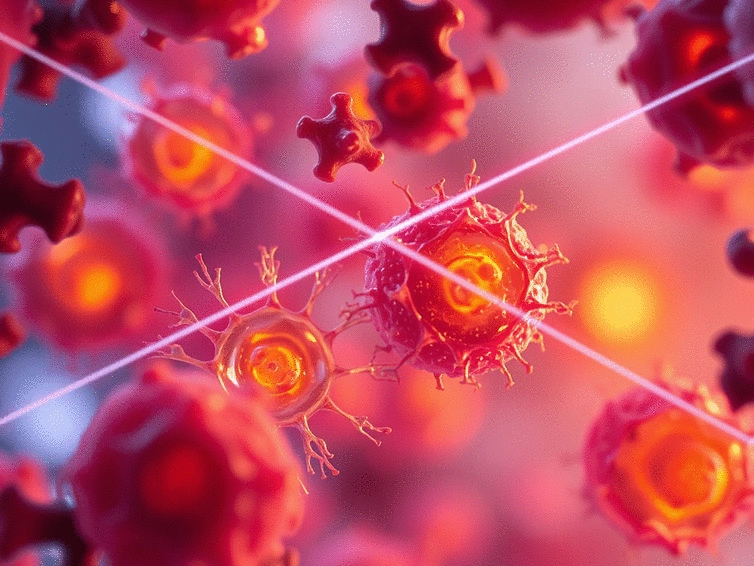
Curious about how light can heal? Low-level laser therapy (LLLT) is transforming pain management and recovery with its non-invasive approach. Dive into the world of LLLT, where science meets healing!
Low-level laser therapy (LLLT) uses specific wavelengths of light to stimulate cellular activity, promoting healing and pain relief. Below are key mechanisms and their benefits.
At Erchonia Laser, we believe in the power of non-invasive healing solutions like low-level laser therapy (LLLT). But what exactly is LLLT? This innovative therapy uses specific wavelengths of light to stimulate cellular processes, promoting healing and pain relief without the need for surgery or medication. It's a gentle approach that empowers the body to heal itself naturally, creating a pathway to recovery that many have found effective.
Low-level laser therapy is gaining popularity in various healthcare settings due to its ability to enhance tissue repair, reduce inflammation, and alleviate pain. As a healthcare professional, I have seen firsthand the remarkable outcomes that can be achieved when LLLT is integrated into treatment plans. It's not just a trend; it's a transformative method with solid scientific backing!
Low-level laser therapy (LLLT) is a non-invasive treatment that involves the application of low-intensity lasers or light-emitting diodes (LEDs) to damaged tissues. The light stimulates cellular activity, promoting healing in conditions like chronic pain, arthritis, and sports injuries. It's fascinating to see how light can be a catalyst for recovery!
By utilizing low-level lasers, we can provide patients with a safe and effective alternative to traditional pain management techniques. The ability to stimulate tissue repair at a cellular level has made LLLT a popular choice among both practitioners and patients alike! For additional insights into the therapeutic effects of LLLT, you can refer to this comprehensive review on low-level laser therapy.
Photobiomodulation is the scientific principle that underpins LLLT. It’s incredible how specific wavelengths of light can penetrate the skin and interact with cellular components! This interaction promotes various biological effects—including improved circulation, reduced inflammation, and enhanced collagen synthesis—all vital for effective wound healing.
Moreover, research shows that photobiomodulation can enhance the wound healing process in multiple stages. Some of the key benefits include:
Understanding these mechanisms is essential for healthcare providers as we strive to integrate LLLT into our practices. By harnessing the power of light, we can facilitate faster recovery and improved outcomes for our patients! A study on photobiomodulation therapy and its effects on wound healing offers further details.
We want to know your opinion! Have you ever tried low-level laser therapy (LLLT) for pain management or recovery? Share your experiences with us:
As we wrap up our exploration of low-level laser therapy (LLLT), it’s clear that this innovative treatment holds significant potential for enhancing tissue repair. Through the activation of cellular and molecular mechanisms, LLLT promotes healing in ways that are not only effective but also non-invasive. This approach aligns perfectly with our mission at Erchonia Laser to empower individuals with knowledge about safe and effective pain relief.
One key takeaway is understanding the intricate roles that various cellular components play in the healing process. By stimulating energy production and reducing inflammation, LLLT facilitates more efficient repair of damaged tissues. In summary, the cellular mechanisms activated by LLLT contribute to:
This multifaceted approach positions LLLT as a promising option for patients seeking relief from chronic pain and improved recovery from injuries.
To encapsulate the cellular and molecular mechanisms we've discussed, here are a few critical points to remember about LLLT:
These insights underline the transformative potential of LLLT in the field of tissue repair and pain management, making it a valuable tool in modern healthcare.
As we look to the future of low-level laser therapy, its applications in tissue engineering and regenerative medicine are set to expand. The ongoing research and clinical trials are paving the way for integrating LLLT more widely in various treatment plans. At Erchonia Laser, we’re excited about the possibilities and are committed to staying at the forefront of this evolving field.
With advancements in technology and a growing body of evidence supporting its efficacy, I believe we’ll see:
Together, we can illuminate the path toward a future where LLLT plays a central role in pain management and tissue repair. If you’re eager to learn more about how LLLT can benefit you or your practice, don’t hesitate to reach out!
I invite you to share your stories and experiences with low-level laser therapy. Have you or someone you know found relief through LLLT? Your insights can help others understand the transformative power of this therapy and encourage them to explore it further!
Feel free to leave questions or comments below; I’m here to engage with our community and provide support as we all navigate the benefits of LLLT.
For healthcare professionals looking to deepen their knowledge about LLLT, here are some valuable resources:
These resources can enhance your understanding and help you integrate LLLT into your practice confidently. At Erchonia Laser, we are dedicated to providing comprehensive education and support as we advance the understanding of low-level laser therapy together!
Here are some common questions about LLLT to help clarify its benefits and applications:
Here is a quick recap of the important points discussed in the article:
Erchonia Laser Research: New Insights
Curious about how light can heal? Low-level laser therapy (LLLT) is emerging as a groundbreaking, no
Erchonia Laser Therapy and Mental Health

Curious about how light can illuminate not just your path, but also your mental well-being? Low-leve
Emerging Trends in Laser Therapy
How prepared are you for the future of healthcare? In an era where technology meets medicine, unders
Erchonia Laser Research: New Insights
Erchonia Laser Therapy and Mental Health
Emerging Trends in Laser Therapy
Myths About Low-Level Laser Therapy
Understanding Erchonia's Dual-Wavelength Lasers