
Benefits of LLLT
- Reduced Analgesic Use
- Faster Recovery Times
- Minimized Inflammation
- Enhanced Healing Processes
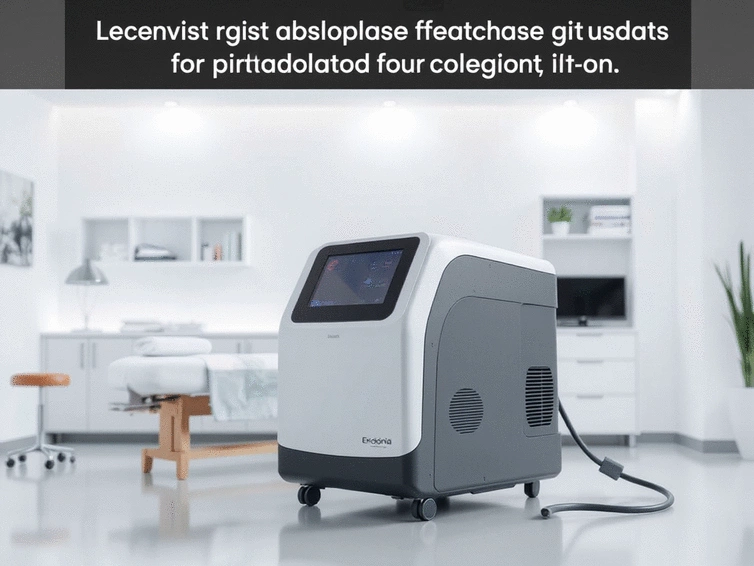
As we explore the innovative realm of Low-Level Laser Therapy (LLLT), consider this: studies show that patients using LLLT experience significantly reduced pain levels post-surgery. This non-invasive approach is not just groundbreaking; it's transforming recovery processes. What insights will you uncover about this therapy and its impact on pain management?
Low-Level Laser Therapy (LLLT) offers significant advantages for recovery after surgery. Explore the core benefits and practical aspects of integrating LLLT into clinical practice below.
At Erchonia Laser, we believe in the power of non-invasive solutions for pain management. One such revolutionary method is Low-Level Laser Therapy (LLLT). This innovative therapy utilizes specific wavelengths of light to stimulate cellular functions, promoting healing and reducing inflammation. In this section, we’ll unpack the fundamentals of LLLT and its significance in alleviating postoperative pain.
Low-Level Laser Therapy, or LLLT, is a non-invasive treatment that uses low-intensity lasers to enhance tissue repair and alleviate pain. By directing specific wavelengths of light onto the skin, LLLT stimulates cellular activities, such as mitochondrial respiration and ATP production. This stimulation accelerates the body's natural healing processes, making it a valuable tool in managing postoperative pain. For example, research published in PMC NCBI has explored the effectiveness of LLLT in reducing pain after various surgeries.
Essentially, LLLT works by promoting blood flow and reducing inflammation, which can significantly decrease pain levels. Imagine giving your body a gentle push to encourage recovery—this is what LLLT achieves through its light-based technology!
Erchonia has developed state-of-the-art devices, namely the FX 635 and the EML Laser, specifically designed for effective LLLT application. Each device is calibrated to emit wavelengths that target various tissues for optimal healing. Here’s a closer look at their key features:
With these devices, practitioners can harness the benefits of LLLT, providing patients with a safe and effective method for managing postoperative pain.
Numerous studies have validated the efficacy of LLLT in postoperative pain management. In randomized controlled trials, patients receiving LLLT reported significant reductions in pain levels compared to those who did not. A study highlighted in Nature Scientific Reports provides further insights into the clinical utility of LLLT in pain relief. It’s exciting to see such a growing body of evidence supporting our mission at Erchonia!
These trials highlight how LLLT not only alleviates pain but also minimizes the need for pain medications, paving the way for a safer, more holistic approach to recovery.
Systematic reviews and meta-analyses have further consolidated the findings from individual studies, showcasing LLLT's role in enhancing recovery outcomes. These comprehensive assessments reveal that, on average, patients experience a notable decrease in pain and a faster return to daily activities.
Understanding the scope of this evidence helps us at Erchonia to advocate for LLLT as a viable postoperative treatment option, reinforcing our commitment to non-invasive healing.
The integration of evidence-based medicine in pain management has transformed clinical practices, emphasizing research-backed therapies like LLLT. For practitioners, utilizing treatments backed by solid clinical evidence ensures that patients receive the best possible care. Another relevant article can be found in Frontiers in Oncology, discussing the growing recognition of LLLT in medical fields.
By leveraging LLLT, healthcare professionals can enhance patient outcomes while adhering to the principles of evidence-based practice, which is at the heart of what we stand for at Erchonia Laser.
As we delve deeper into the world of Low-Level Laser Therapy (LLLT), we want to know your thoughts! Have you or someone you know experienced the benefits of LLLT for postoperative pain management? Share your experience or thoughts with us:
A: LLLT is a non-invasive treatment that uses low-intensity lasers to stimulate cellular functions, promote tissue repair, and reduce inflammation, thereby alleviating pain. It works by directing specific wavelengths of light onto the skin to accelerate the body's natural healing processes.
A: LLLT helps manage postoperative pain by stimulating cellular activities, promoting blood flow, and reducing inflammation. This leads to reduced pain levels, faster recovery times, and often a decreased need for traditional pain medications.
A: Yes, Erchonia's devices, such as the FX 635 and EML Laser, are FDA cleared. This ensures their safety and efficacy for use in treatment protocols, providing confidence to both practitioners and patients.
A: The key benefits include reduced analgesic use (fewer pain medications), faster recovery times, minimized inflammation, and enhanced overall healing processes. These advantages contribute to improved patient satisfaction and quicker return to daily activities.
A: LLLT can be effectively integrated into a multimodal pain management strategy. It can be used alongside traditional approaches like physical therapy and medications to optimize patient care and support a holistic approach to healing.
At Erchonia Laser, we believe that low-level laser therapy (LLLT) can transform postoperative pain management. With numerous studies backing its effectiveness, it’s crucial to understand why clinicians and patients alike should consider LLLT. Let's explore the compelling benefits it offers!
When it comes to recovery after surgery, minimizing pain and accelerating healing is essential. LLLT has proven to be an innovative approach that can significantly enhance patient outcomes. Here are some of the standout benefits:
These benefits align perfectly with our mission at Erchonia Laser, where we aim to provide non-invasive, effective healing solutions. By integrating LLLT into postoperative care, we can not only enhance recovery but also improve patient satisfaction.
Understanding the financial aspects and logistical considerations of implementing LLLT is vital. Here’s what you need to know:
As we continue to build awareness around LLLT, it’s essential to keep clinicians informed about these aspects, enabling them to advocate for their patients effectively.
Integrating LLLT into a broader pain management strategy can optimize patient care. Here are some key strategies to consider:
Employing a multimodal strategy can enhance the efficacy of LLLT and support a holistic approach to healing.
As we wrap up this section, I encourage both clinicians and patients to consider the transformative potential of LLLT in postoperative care. Taking proactive steps can set the stage for successful recoveries.
If you’re a clinician interested in integrating LLLT into your practice, or a patient curious about its benefits, here’s how to proceed:
Taking these steps can empower you to make informed choices about pain management and recovery strategies.
At Erchonia Laser, we’re committed to supporting both patients and healthcare professionals with reliable information and resources:
These resources are invaluable for fostering a comprehensive understanding of LLLT and its positive impacts on patient care.
Effective patient education is a cornerstone of successful LLLT implementation. Here’s why it matters:
By prioritizing patient education, we can ensure that individuals have the tools and knowledge they need to achieve the best possible outcomes with LLLT.
Here is a quick recap of the important points discussed in the article:
Erchonia Laser Research: New Insights
Curious about how light can heal? Low-level laser therapy (LLLT) is emerging as a groundbreaking, no
Erchonia Laser Therapy and Mental Health

Curious about how light can illuminate not just your path, but also your mental well-being? Low-leve
Emerging Trends in Laser Therapy
How prepared are you for the future of healthcare? In an era where technology meets medicine, unders

Erchonia Laser Research: New Insights
Erchonia Laser Therapy and Mental Health
Emerging Trends in Laser Therapy
Myths About Low-Level Laser Therapy
Understanding Erchonia's Dual-Wavelength Lasers