
Overall Onychomycosis Recurrence
30% - 50%
of patients may experience recurrence within a year following various treatments.
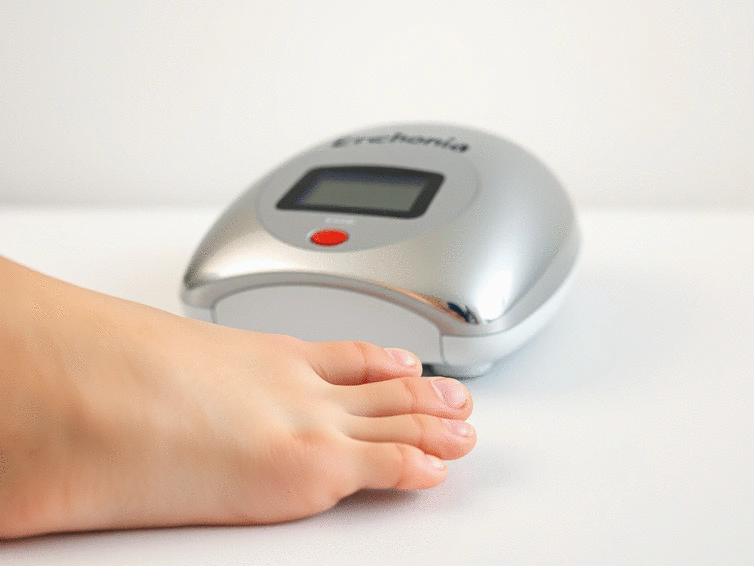
Did you know that nail fungus affects millions of people and can lead to significant physical and psychological challenges? Understanding onychomycosis is crucial for effective treatment and long-term nail health.
Understanding the likelihood of nail fungus returning after treatment is crucial for patients. This visual compares the recurrence rates of traditional treatments versus advanced laser treatments like the Lunula Laser.
of patients may experience recurrence within a year following various treatments.
Often reported for oral/topical medications.
Studies indicate significantly reduced recurrence.
Dealing with onychomycosis, commonly known as nail fungus, can be frustrating and embarrassing. This condition, which affects millions of people, often leads to discolored, thickened, or brittle nails that can cause discomfort and self-esteem issues. As someone dedicated to promoting safe and effective treatments at Erchonia Laser, I understand the profound impact this condition can have on individuals’ lives.
Not only does onychomycosis affect the appearance of nails, but it can also lead to more serious health concerns if left untreated. Patients often experience physical symptoms like pain around the nails, as well as psychological effects such as anxiety when showing their feet or hands. Addressing this issue promptly is essential!
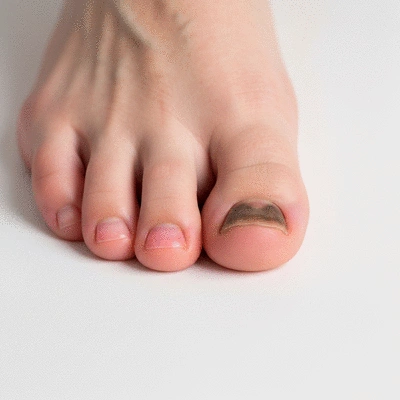
Onychomycosis is a fungal infection that primarily affects the nails of the toes and fingers. The most common type of fungus causing this condition is a dermatophyte, but yeasts and non-dermatophyte molds can also be responsible. The infection typically starts at the nail bed and can spread to the entire nail, leading to significant damage.
Understanding the full impact of onychomycosis helps to emphasize the importance of effective treatment options. With various approaches available, patients can regain healthy nails and boost their confidence.
Traditional treatments for onychomycosis often include topical antifungal medications and oral antifungal drugs. While these methods can be effective, they also come with limitations. Topical treatments may take months to show results, and oral medications can have significant side effects.
While traditional options are available, they often lack the efficiency and safety we strive for at Erchonia Laser. This is where innovative solutions, like laser therapy, come into play as a promising alternative. For instance, the Lunula Laser has demonstrated promising results in clinical trials, offering a non-invasive approach to treating onychomycosis.
Fungal infections can be categorized into several types, each presenting unique challenges for treatment. Recognizing these types can help patients understand their condition better.
Understanding these types not only aids in diagnosis but also helps in selecting the most appropriate treatment method. At Erchonia Laser, we're committed to providing effective solutions tailored to the needs of our patients, with studies supporting the efficacy of laser treatments for various forms of onychomycosis.
Did you know? Regularly checking your nails for any changes can help you catch potential fungal infections early. By monitoring your nail health, you can take proactive steps to seek treatment before the condition worsens, ensuring a quicker recovery and less discomfort.
After undergoing treatment for nail fungus, it’s essential to consider the long-term implications of recovery. The risk of recurrence can be concerning for many patients. According to various studies, recurrence rates can vary significantly based on the treatment approach used and individual patient factors. Understanding these rates can help you make a more informed decision regarding your ongoing care.
Research has shown that approximately 30% to 50% of patients may experience a recurrence of onychomycosis within a year following treatment. However, with effective strategies and proper follow-up care, you can minimize these chances. This is where the insights from my experiences at Erchonia Laser come into play, emphasizing a comprehensive approach to managing nail health post-treatment.

By closely monitoring your nail health and following the recommended guidelines, you can significantly reduce the likelihood of fungus returning, as detailed in research on factors contributing to onychomycosis recurrence. It’s vital to remain vigilant and proactive in your ongoing care.
Following your treatment, implementing a solid post-treatment care regimen is key to ensuring optimal nail health. Here are some of my top recommendations based on years of clinical experience:
These practices can help reinforce the effects of your Lunula Laser treatment and promote a healthier nail environment.
As part of your journey toward nail health, focusing on infection prevention strategies is crucial. Here are some practical tips to keep in mind:
By proactively managing these aspects of your foot care routine, you can significantly extend the benefits of the Lunula Laser treatment and enjoy healthier, clearer nails.
Deciding on a treatment for nail fungus is not just about immediate relief—it's also about considering the long-term benefits and implications. I encourage you to weigh all your options carefully, especially when it comes to non-invasive solutions like the Lunula Laser.
It's crucial to have open discussions with your healthcare provider about the best course of action. At Erchonia Laser, we aim to empower you with knowledge, equipping you to make informed decisions about your health and wellness.
Here is a quick recap of the important points discussed in the article:
Erchonia Laser Research: New Insights

Curious about how light can heal? Low-level laser therapy (LLLT) is emerging as a groundbreaking, no
Erchonia Laser Therapy and Mental Health

Curious about how light can illuminate not just your path, but also your mental well-being? Low-leve
Emerging Trends in Laser Therapy
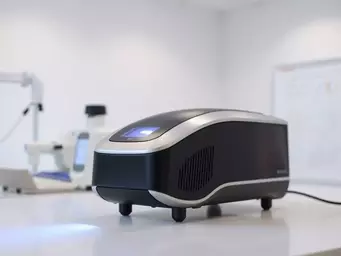
How prepared are you for the future of healthcare? In an era where technology meets medicine, unders

Erchonia Laser Research: New Insights
Erchonia Laser Therapy and Mental Health
Emerging Trends in Laser Therapy
Myths About Low-Level Laser Therapy
Understanding Erchonia's Dual-Wavelength Lasers